
Below is the complete list of James H. Cobb books in order. For each series, the chronological reading order is the same as the order of publication.
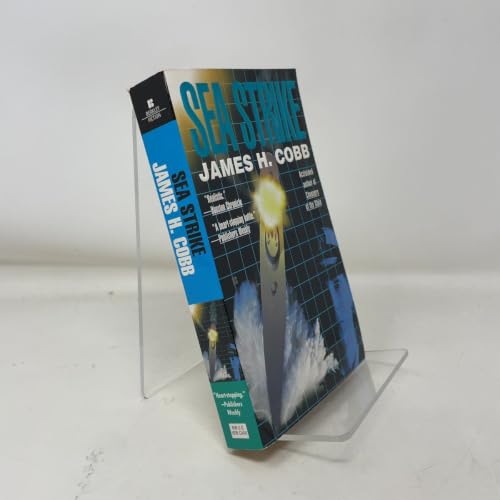
Publication Order of Amanda Garrett Books



Publication Order of Standalone Books

Publication Order of Covert-One Books


About James H. Cobb
James H. Cobb was an American novelist best known for naval techno-thrillers that combined speculative military technology with carefully constructed geopolitical conflicts. His fiction reflected a lifelong interest in maritime strategy, weapons systems, and the practical demands of commanding advanced warships. Although his published bibliography was comparatively small, he created a distinctive series around naval officer Amanda Lee Garrett, ventured into crime and science fiction, and contributed to Robert Ludlum’s Covert-One franchise.
Born in Tacoma, Washington, in 1953, Cobb came from a family with strong ties to the United States Navy. He graduated from the University of Puget Sound and remained closely engaged with military affairs as a student of naval history and developing defense technology. He belonged to both the United States Naval Institute and the Navy League. Cobb was not primarily writing from the perspective of a former combat officer; his authority came from sustained research and an ability to translate technical systems into clear, rapidly moving fiction.
His debut novel, Choosers of the Slain, introduced Commander Amanda Lee Garrett and established the work for which he remains most widely recognized. Garrett commands the USS Cunningham, an advanced stealth destroyer whose capabilities place her and her crew at the center of emerging international crises. The opening novel sends the Cunningham toward Antarctica as territorial ambition, environmental concerns, and military confrontation threaten to ignite a wider conflict.
Garrett was notable within the 1990s military-thriller field as a woman holding operational command rather than serving as a secondary intelligence officer or romantic interest. Cobb presents her as a disciplined professional whose leadership depends on tactical judgment, technical knowledge, and responsibility for the people serving beneath her. The series develops around the ship as much as its captain. The Cunningham’s crew, weapons, sensors, aircraft, and evolving mission capabilities create a continuing operational world rather than a succession of unrelated naval adventures.
Later Amanda Garrett novels expand the action through conflicts involving East Asian tensions, piracy, regional instability, covert intervention, and threats to international shipping. Cobb’s approach balances large strategic questions with the immediate experience of people operating complex machinery under combat conditions. Governments and commanders may debate policy, but decisions ultimately have to be executed by crews working with limited information and little room for error.
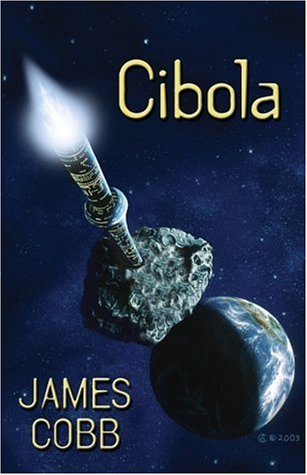
Outside the Garrett sequence, Cobb demonstrated a broader range. West on 66 is a period crime novel set along Route 66 during the 1950s, replacing futuristic naval systems with classic cars, roadside America, and noir-influenced mystery. Cibola moves in the opposite direction, into twenty-second-century science fiction involving space operations, valuable extraterrestrial resources, and the struggle to control an asteroid. These novels stand independently and show that his interest in machinery and motion was not limited to warships.
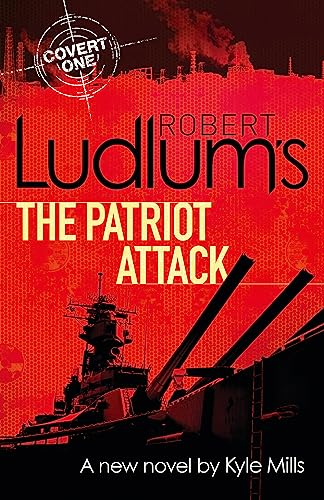
Cobb also wrote The Arctic Event, an installment in Robert Ludlum’s Covert-One series. The novel follows Jon Smith and the covert organization into an Arctic crisis involving a lost Soviet aircraft, biological danger, and competing forces seeking what has remained preserved in the ice. It belongs to the Ludlum continuation franchise rather than Cobb’s original fictional universe, but its military detail, isolated setting, and technologically driven threat align closely with his strengths.
Cobb died in 2014 at the age of sixty-one. His bibliography is best understood through four divisions: the Amanda Garrett naval series, the contrasting standalones West on 66 and Cibola, his shorter military fiction, and his Covert-One contribution. Across them, he wrote with particular confidence about capable professionals, advanced machines, and the moment when political calculation becomes an operational fight for survival.