
Below is the complete list of Ian Rankin books in order. For each series, the chronological reading order is the same as the order of publication.
Publication Order of Inspector Rebus Books







Publication Order of Inspector Rebus Short Stories/Novellas Books
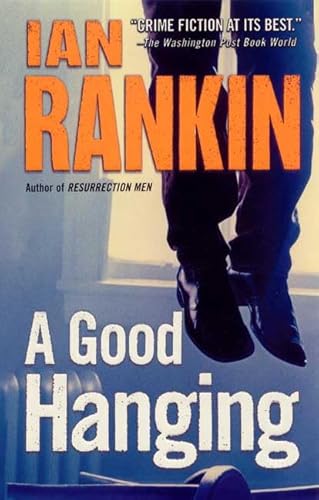


Publication Order of Jack Harvey Books


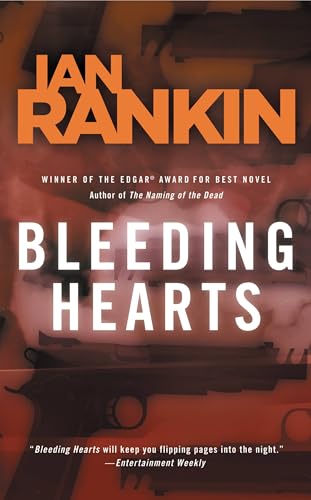
Publication Order of Malcolm Fox Books
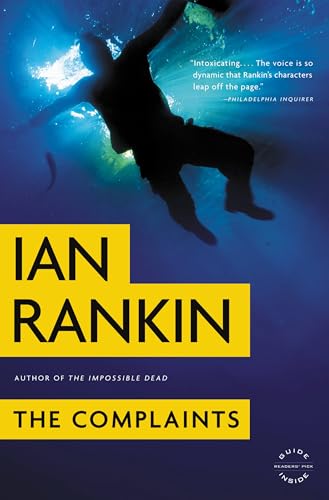

Publication Order of Jack Laidlaw Books
with William McIlvanney


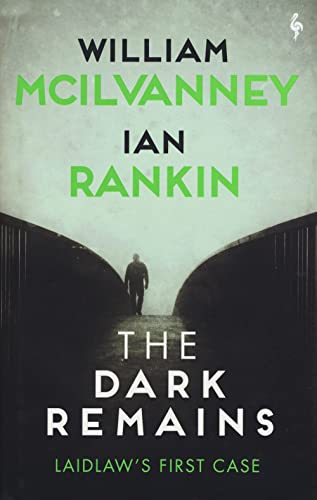
Publication Order of Standalone Books


Publication Order of Short Stories/Novellas Books



Publication Order of Plays Books
with Simon Reade


Publication Order of Short Story Collections Books


Publication Order of Non-Fiction Books

Publication Order of Hellblazer Graphic Novels Books








Publication Order of Murderous Christmas Stories Books
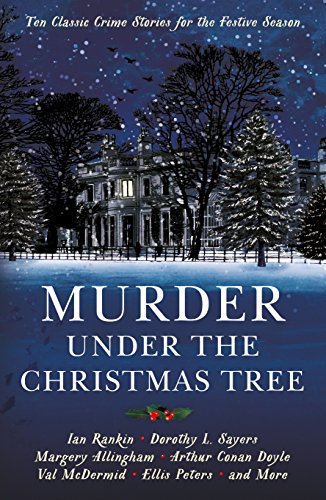
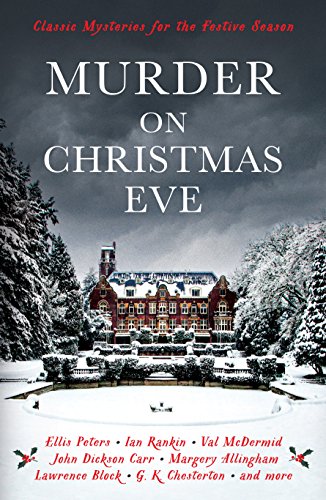
Publication Order of Mysterious Profiles Books

About Ian Rankin
Ian Rankin is a Scottish novelist best known for creating Detective Inspector John Rebus, the Edinburgh policeman at the center of one of modern crime fiction’s most influential series. Beginning with Knots and Crosses in 1987, the Rebus novels combine police investigation with a detailed portrait of Edinburgh, exploring organized crime, political power, corruption, class, institutional loyalties, and the social changes reshaping Scotland. Rankin has also written the Malcolm Fox novels, stand-alone fiction, short stories, plays, and several books under the pseudonym Jack Harvey.
Born in Cardenden, Fife, in 1960, Rankin studied English literature at the University of Edinburgh. He later began doctoral research into the fiction of Muriel Spark, though he did not complete the degree. Before writing became his full-time career, he held a variety of jobs and spent periods living outside Scotland, including several years in London and France.
Rankin did not initially think of Knots and Crosses primarily as a conventional crime novel. Rebus emerged from his interest in literature, Edinburgh, and the possibilities of using the detective form to examine a city. The character is a former soldier who served in the SAS before joining the police, and his troubled military history, difficult family relationships, drinking, stubbornness, and distrust of authority make him far removed from an idealized detective hero.
Edinburgh quickly became as important to the series as Rebus himself. Rankin contrasts the historic and picturesque city familiar to visitors with housing estates, pubs, police stations, criminal networks, political institutions, and communities rarely represented in tourist imagery. Real locations mingle with fictional ones, including the Oxford Bar, closely associated with Rebus throughout the books. The city changes over time, and those changes become part of the continuing narrative rather than merely a backdrop for individual murders.
The Rebus series developed substantially in scope through novels such as Black and Blue, The Falls, Resurrection Men, and Exit Music. Rankin allows his protagonist to age broadly in real time, an unusual decision for a long-running detective series. Rebus eventually reaches compulsory retirement, forcing the books to confront what happens when a man who has defined himself through police work no longer officially possesses the authority to investigate.
Rankin subsequently introduced Malcolm Fox, an inspector working in Complaints and Conduct, the branch responsible for investigating other police officers. Beginning with The Complaints, Fox initially appears almost the opposite of Rebus: cautious, procedural, and professionally responsible for scrutinizing the kind of behavior Rebus frequently displays. Their fictional worlds eventually converge, allowing Rankin to examine policing through competing attitudes toward rules, loyalty, and justice.
As Jack Harvey, Rankin published the thrillers Witch Hunt, Bleeding Hearts, and Blood Hunt. These stand-alone novels emphasize conspiracy and international thriller elements more strongly than the Rebus books while retaining his interest in compromised institutions and morally complicated protagonists.
Rankin’s work has received major recognition in Britain and internationally. His honors include the Crime Writers’ Association Gold Dagger, the Diamond Dagger for lifetime achievement, and an OBE for services to literature. His novels have also been adapted for television, radio, and the stage, helping establish Rebus well beyond the original books.
Across decades of crime writing, Rankin’s enduring subject is not simply who committed a particular murder. His fiction asks what crime reveals about the society surrounding it. Through Rebus especially, Edinburgh becomes a place where respectable institutions and criminal worlds repeatedly overlap, and solving a case rarely means that the deeper causes of violence, inequality, or corruption have been solved with it.