
Below is the complete list of Charles Todd books in order. For each series, the chronological reading order is the same as the order of publication.
Publication Order of Inspector Ian Rutledge Books


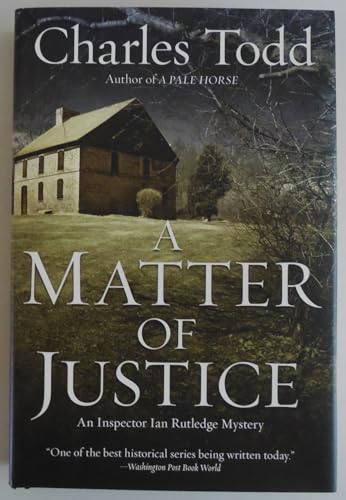


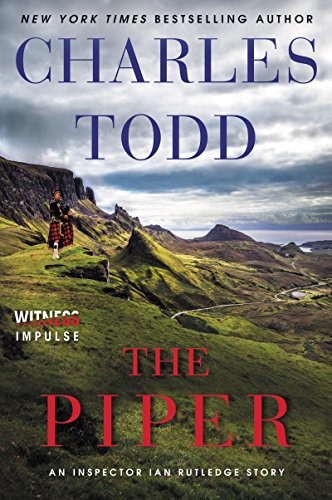


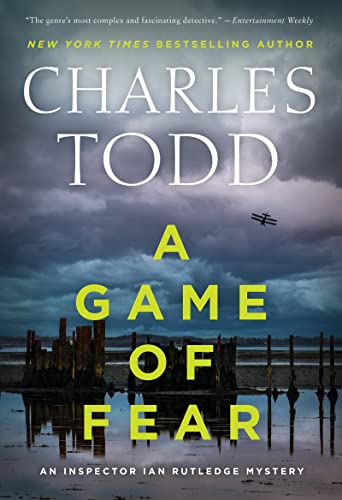

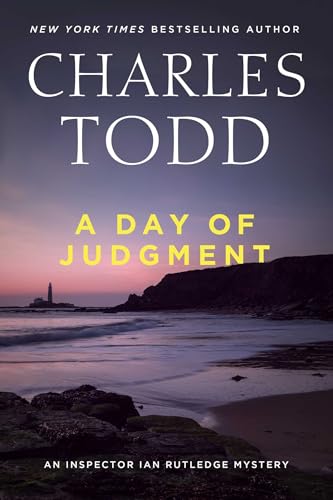
Publication Order of Bess Crawford Books

- The Girl on the Beach (2010)
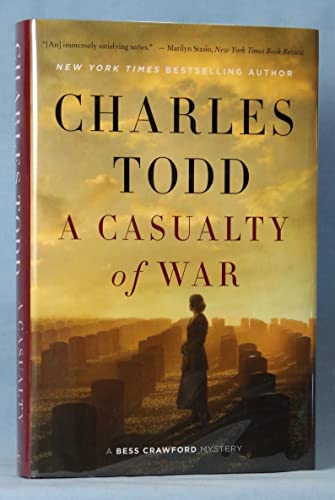
Published in 2010, The Girl on the Beach is listed as book #2 in the Bess Crawford series. 


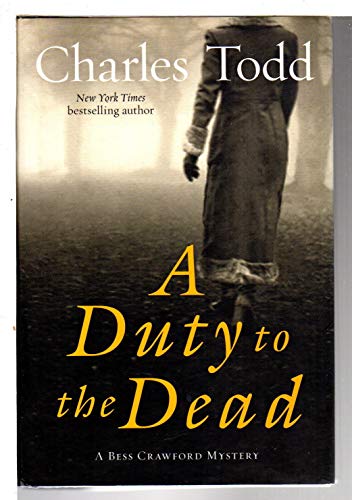
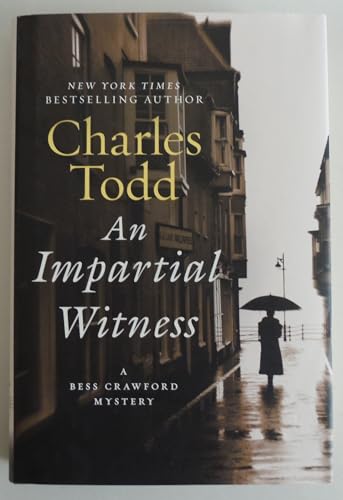


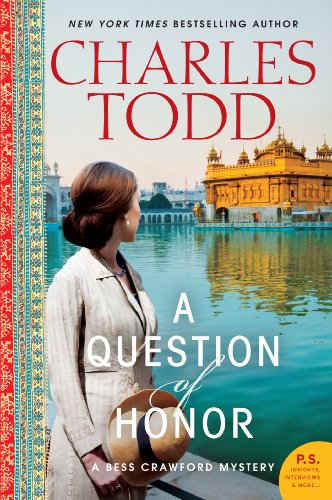


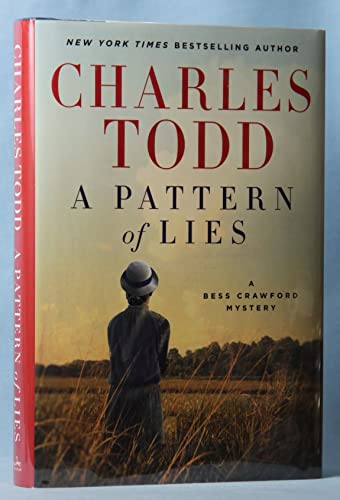



Publication Order of Standalone Books

Publication Order of Short Stories/Novellas Books


Publication Order of Short Story Collections Books

Publication Order of Mysterious Profiles Books

Publication Order of Bibliomysteries Books

Publication Order of Music and Murder Mystery Books

About Charles Todd
Charles Todd is the pen name of the American mother-and-son writing team Caroline Todd and Charles Todd, best known for historical mysteries set around the First World War and its aftermath. Their work is most strongly associated with two long-running series: the Inspector Ian Rutledge novels and the Bess Crawford mysteries. Together, those books created a distinctive corner of crime fiction where murder investigations are inseparable from trauma, duty, memory, class, grief, and the social dislocation left behind by war.
The Charles Todd identity can be slightly confusing because it reads like the name of a single author. In fact, Caroline Todd and her son Charles wrote collaboratively for many years, developing a shared voice rooted in British historical atmosphere, psychological suspense, and carefully layered mystery plotting. After Caroline Todd’s death in 2021, Charles Todd continued the author name and the fictional worlds they had built. That continuity matters because the bibliography is not merely a set of isolated mysteries; it is a sustained exploration of the human consequences of wartime experience.
The Inspector Ian Rutledge series began with A Test of Wills, introducing a Scotland Yard detective who has returned from the Western Front deeply damaged by shell shock. Rutledge is capable, disciplined, and perceptive, but he carries the haunting inner presence of Hamish MacLeod, a Scottish soldier connected to one of the most terrible moments of his war service. This psychological burden gives the series its depth. Rutledge’s investigations are not only puzzles to be solved; they unfold in a postwar Britain where almost every village, family, and institution has been altered by loss.
The Rutledge books are notable for their atmosphere of restraint. Much of their power comes from what people refuse to say. Villages conceal resentments, families preserve appearances, witnesses protect old griefs, and suspects are shaped by class expectations, military memory, inheritance, shame, and fear. Rutledge’s own damaged mind makes him especially alert to hidden pressure. He understands that truth rarely arrives cleanly, because war has taught many people how to survive by silence.
The Bess Crawford series approaches the same historical period from a different angle. Bess is a British nurse serving during the First World War, and her work places her close to wounded soldiers, grieving families, military bureaucracy, and the uneasy boundaries between battlefield and home front. Beginning with A Duty to the Dead, the series follows her through cases where professional obligation and personal conscience collide. Bess is not a detective by profession, but her nursing role gives her access to intimate spaces of suffering and trust, making her investigations feel morally urgent rather than accidental.
Together, Ian Rutledge and Bess Crawford show the range of the Charles Todd project. Rutledge’s world is postwar, haunted, and investigative; Bess’s is wartime, mobile, and shaped by service. Both series depend on the idea that murder does not occur in isolation. A crime may expose a buried family secret, a battlefield betrayal, a social hypocrisy, or an old wound that respectable society has tried to close too quickly.
The Todds also wrote standalones and shorter fiction, but their lasting reputation rests on these two historical mystery sequences. Their books are best understood not as simple period puzzles, but as mysteries of aftermath. The crime is usually the visible break; beneath it lies the deeper question of what war, secrecy, loyalty, and grief have done to the living.