
Below is the complete list of Mary Higgins Clark’s Where Are The Children books in order. For this series, the chronological reading order is the same as the order of publication.
Publication Order of Where Are The Children Books

About Where Are The Children
Mary Higgins Clark’s Where Are the Children series is a small but important suspense sequence built around the novel that made her a major name in American popular fiction. The original Where Are the Children?, published in 1975, is widely treated as Clark’s breakthrough psychological suspense novel, while Where Are the Children Now?, written with Alafair Burke and published in 2023, returns to the children of that first book after they have grown into adulthood. Together, the books form less a conventional long-running series than a generational suspense pairing: one story about a mother’s worst fear, and a later sequel about the children who survived it.
The first novel introduces Nancy Harmon, a woman trying to rebuild her life after a horrifying past. Years earlier, she was accused of murdering her children, and although she has made a new life under a new name, married again, and become a mother once more, the old nightmare returns when her young children disappear. Clark’s premise is brutally simple and emotionally direct: a woman already judged by the world must face the possibility that history is repeating itself, while suspicion closes around her again.
That structure explains why Where Are the Children? became so central to Clark’s reputation. It contains many of the qualities that would define her later suspense novels: a sympathetic woman under pressure, children in danger, a respectable surface hiding evil, a past that refuses to stay buried, and chapters shaped to keep the reader moving quickly from fear to revelation. Clark does not write the book as hard-boiled crime or police procedural. Its power comes from domestic terror, especially the fear that the safest parts of life—marriage, home, motherhood, a new beginning—can be invaded by someone who knows exactly where the old wounds are.
Nancy is the emotional center because she is both vulnerable and doubted. Clark repeatedly uses the theme of credibility in her fiction: women who know something is wrong but may not be believed quickly enough, women whose histories are used against them, women trapped between public suspicion and private terror. Nancy’s past makes her an easy target for judgment, and the disappearance of her children turns that judgment into an immediate threat. The suspense depends not only on whether the children can be found, but on whether the truth can emerge before the wrong story becomes permanent.
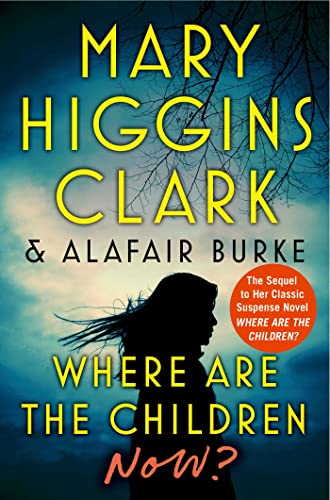
Where Are the Children Now? changes the focus by moving the emotional burden to the next generation. The sequel features Nancy’s children as adults, again facing peril connected to family, memory, and the long reach of the original trauma. Alafair Burke’s role is important because the book belongs to a later moment in suspense fiction, one more conscious of true-crime culture, inherited trauma, and the way old cases continue to shape adult lives. It honors Clark’s original premise while shifting the question from “Can the children be saved?” to “What happens to children after they survive?”
The two books are best read in publication order. Where Are the Children? establishes Nancy’s ordeal, the family history, and the emotional meaning of the title. Where Are the Children Now? depends on that history for its strongest effect, because the sequel’s suspense is sharpened by knowing what the earlier children endured and what their survival cost.
The series endures because its central fear is elemental. Mary Higgins Clark understood that suspense does not need an exotic setting or elaborate conspiracy to be terrifying. Sometimes the most frightening question is the one a parent asks in an ordinary moment of panic: where are the children, and who knows the answer?