
Below is the complete list of Philip Shelby books in order. For each series, the chronological reading order is the same as the order of publication.
Publication Order of Standalone Books




Publication Order of Covert-One Books



About Philip Shelby
Philip Shelby was a novelist and screenwriter whose fiction moved from romantic and psychological suspense into the political conspiracies, intelligence operations, and international danger for which he became best known. Born in Montreal in 1950, he studied law at McGill University before turning to writing full time. Although his bibliography is relatively compact, it covers several distinct phases and includes both independently created thrillers and a prominent contribution to Robert Ludlum’s Covert-One franchise.
Shelby began publishing novels in the late 1980s. Early works such as This Far from Paradise, The Tides, Dream Weavers, and Oasis of Dreams combine family conflict, romance, hidden motives, and dangerous secrets. These books differ in emphasis from the government-centered thrillers that later defined his public identity, but they already show his preference for protagonists drawn into situations whose apparent explanations conceal older betrayals or competing personal agendas.
His decisive movement into political suspense came with Days of Drums. The novel follows Secret Service agent Holland Tylo after she is implicated in the assassination of a powerful senator, forcing her to evade the institutions she once served while uncovering the conspiracy behind the killing. Shelby built the story around a female intelligence professional at a time when the international conspiracy thriller remained dominated by male protagonists. That choice became a recurring feature rather than an isolated experiment.
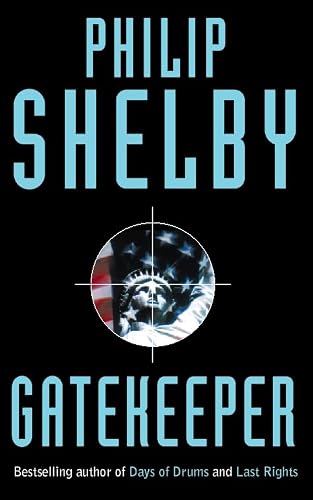
Last Rights centers on Army Criminal Investigation Command officer Rachel Collins, whose inquiry into the supposed accidental death of a celebrated general exposes political ambition, covert violence, and extremist influence. Gatekeeper shifts the action toward diplomatic and intelligence circles in Europe, placing American embassy employee Hollis Fremont inside an operation involving betrayal, assassination, and secrets protected by government authority. These novels strengthened Shelby’s association with fast-moving plots in which women trained or employed by official institutions must survive after those institutions become compromised.
Shelby’s strongest connection to a larger thriller franchise came through The Cassandra Compact, written with Robert Ludlum. The novel is the second installment in the Covert-One series, following Lieutenant Colonel Jon Smith as the theft of a smallpox sample develops into an international biological threat. Shelby’s experience with intelligence conspiracies and scientifically driven danger suited the series, whose covert operatives confront crises too politically sensitive or institutionally entangled for conventional agencies. The book should be grouped with Ludlum’s Covert-One sequence rather than treated as part of Shelby’s independent fictional continuity.
His final published novel, By Dawn’s Early Light, returned to political and international intrigue through financial analyst Sloane Ryder, who intercepts information connected to a conspiracy involving the White House, American policy toward China, and secret agreements concerning Taiwan. Like his earlier thrillers, it turns an initially vulnerable protagonist into an active investigator whose survival depends on recognizing how respected officials manipulate patriotism to justify betrayal.
Shelby also worked in film, receiving screenwriting credits on action thrillers including Survivor and Mechanic: Resurrection. The latter reflects many of the qualities found in his novels: international locations, professional assassins, covert coercion, and an escalating conspiracy built around apparently impossible assignments. He died in 2019 at the age of sixty-nine.
His bibliography is best understood by separating the earlier suspense novels, the female-led political thrillers beginning with Days of Drums, and his Covert-One collaboration. Across those phases, Shelby repeatedly placed capable but isolated characters inside conspiracies where institutional authority offers no guarantee of honesty and survival depends on discovering who benefits from the official version of events.