
Below is the complete list of Paula McLain books in order. For each series, the chronological reading order is the same as the order of publication.
Publication Order of Standalone Books



Publication Order of Short Stories/Novellas Books
Publication Order of Poetry Collections Books


Publication Order of Non-Fiction Books

Publication Order of Point In Time Books


About Paula McLain
Paula McLain is an American novelist, poet, and memoirist best known for historical fiction that reconstructs the lives of women connected to celebrated artists, explorers, and turbulent periods of the twentieth century. A New York Times bestselling author, she achieved international recognition with The Paris Wife, her fictional portrait of Hadley Richardson’s marriage to Ernest Hemingway. Her later novels have explored pioneering aviator Beryl Markham, war correspondent Martha Gellhorn, missing children, and women resisting confinement and persecution across very different periods of history.
McLain was born in Fresno, California, in 1965. After her parents abandoned the family, she and her two sisters spent much of their childhood moving through the foster-care system. She eventually supported herself through a succession of jobs before pursuing writing seriously. She earned an MFA in poetry from the University of Michigan in 1996, and poetry formed an important part of her early literary career. Her published work includes two poetry collections as well as Like Family: Growing Up in Other People’s Houses, a memoir about her childhood in foster care.
Her first novel, A Ticket to Ride, appeared in 2008, but The Paris Wife transformed her career in 2011. Set largely among the expatriate literary community of 1920s Paris, the novel tells the story of Hemingway’s first marriage from Hadley Richardson’s perspective. Rather than treating Hadley merely as the wife present during a famous writer’s formative years, McLain explores her emotional life, the pressures created by Hemingway’s growing ambition, and the complicated atmosphere surrounding their marriage.
McLain continued this approach with Circling the Sun, centered on Beryl Markham. Raised in colonial Kenya, Markham became a pioneering horse trainer and aviator and later achieved international fame for her record-setting flights. The novel examines her fiercely independent character alongside her relationships with members of Kenya’s expatriate community, including Denys Finch Hatton and Karen Blixen.
Love and Ruin brought McLain back into Ernest Hemingway’s orbit from a very different perspective. Its protagonist, Martha Gellhorn, was already an ambitious journalist when she became involved with Hemingway and went on to become one of the twentieth century’s most prominent war correspondents. McLain places particular emphasis on the conflict between romantic attachment and Gellhorn’s determination to preserve a career and identity independent of her famous husband.
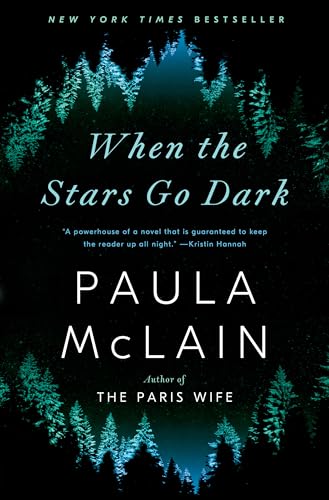
She changed direction with When the Stars Go Dark, a contemporary suspense novel about missing-person investigator Anna Hart. Although different from McLain’s biographical historical fiction, the novel retained her interest in trauma, memory, vulnerable women and girls, and people trying to reconstruct lives after profound loss.
Her 2026 novel Skylark marked a return to expansive historical fiction through two narratives set centuries apart in Paris. One follows Alouette Voland in 1664 as artistic ambition and her father’s imprisonment lead her into the Salpêtrière; the other follows medical student Kristof Larson beginning his psychiatric residency in 1939 as Nazi persecution threatens a Jewish family near him. The dual timeline broadens McLain’s historical range while preserving her recurring concern with individuals resisting institutions that seek to determine the limits of their lives.
Across McLain’s bibliography, freedom is a persistent theme. Her historical protagonists often stand near famous men or major events, but her fiction redirects attention toward their ambitions, compromises, private losses, and capacity for reinvention. That perspective has made her work particularly recognizable: history approached through intimate lives, with women struggling to remain authors of their own stories when circumstance repeatedly tries to write those stories for them.