
Below is the complete list of Joyce Carol Oates books in order. For each series, the chronological reading order is the same as the order of publication.
Publication Order of Wonderland Quartet Books


Publication Order of The Gothic Saga Books
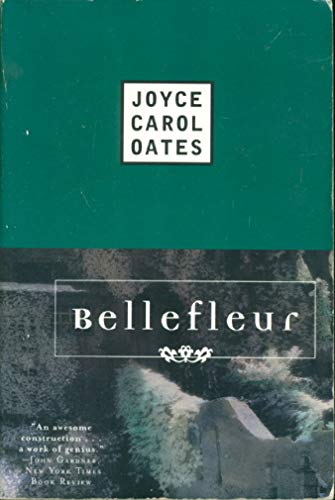


Publication Order of L.A. Noire: The Collected Stories Books


Publication Order of Standalone Books

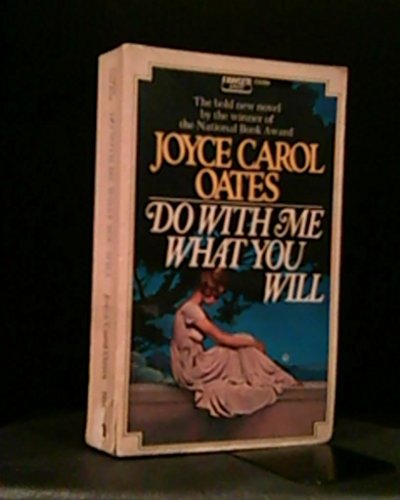


- Luxury of Sin (1984)
Luxury of Sin was published in 1984 and is listed as book #11 in the Standalone series. 


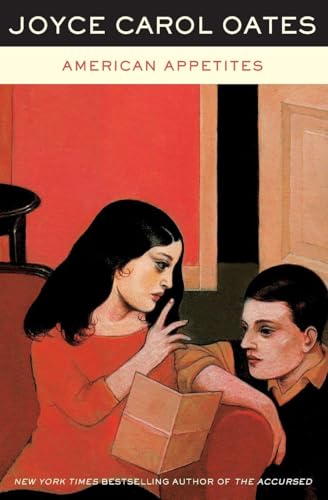


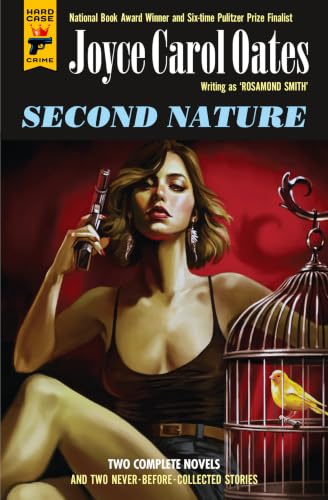











Publication Order of Short Stories/Novellas Books


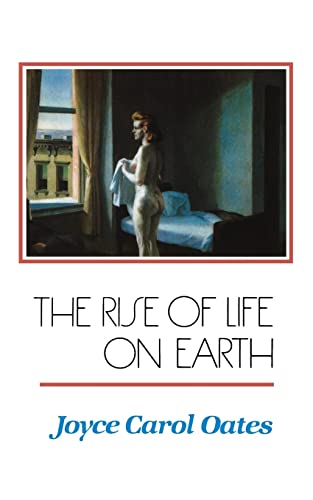

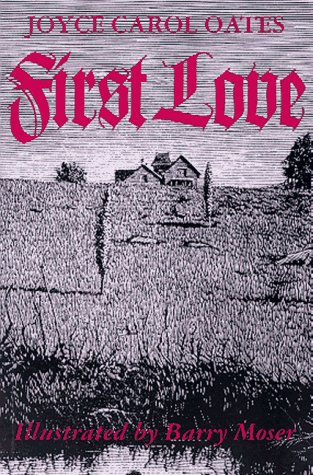
- In Shock (2000)
In Shock was published in 2000 and is listed as book #6 in the Short Stories/Novellas series. 
- The Haunting (2003)
The Haunting is a 2003 release and appears as book #8 in the Short Stories/Novellas series. 


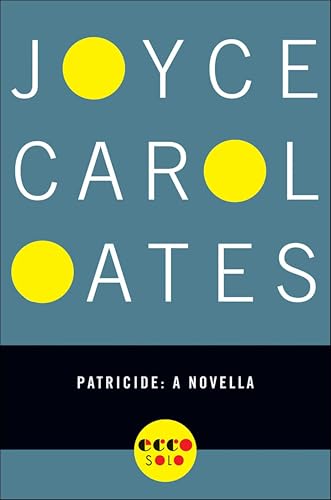

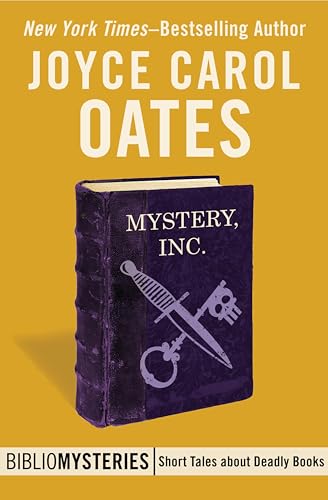
- Big Momma (2016)
Big Momma was first published in 2016; within the Short Stories/Novellas series, it is listed as book #15. 
- The Crawl Space (2016)
Published in 2016, The Crawl Space is listed as book #17 in the Short Stories/Novellas series. 

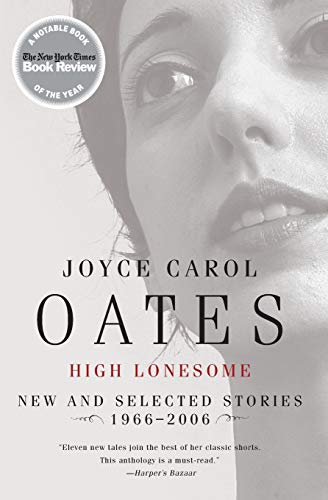
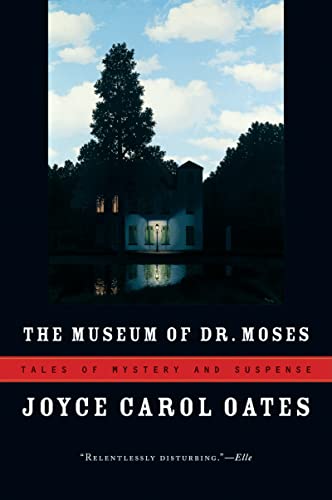
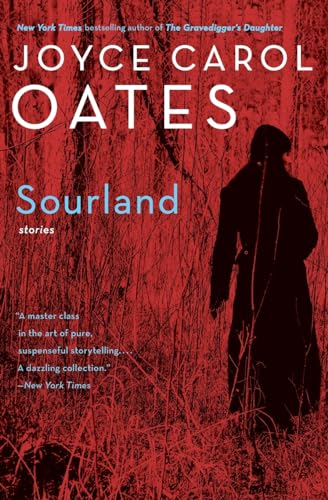
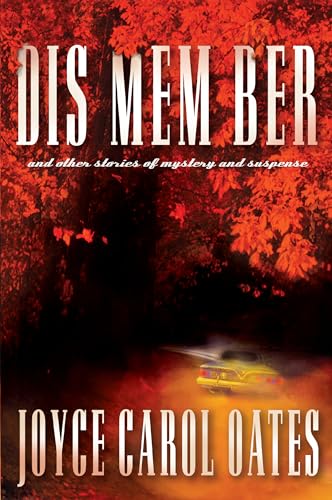
Publication Order of Short Story Collections Books


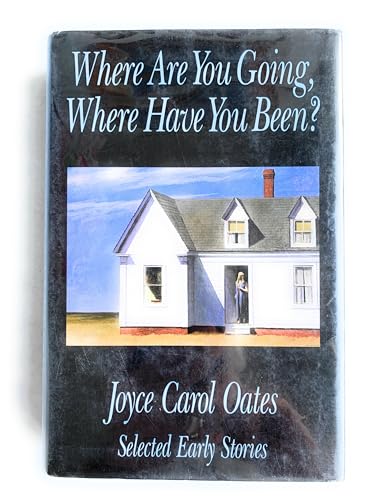


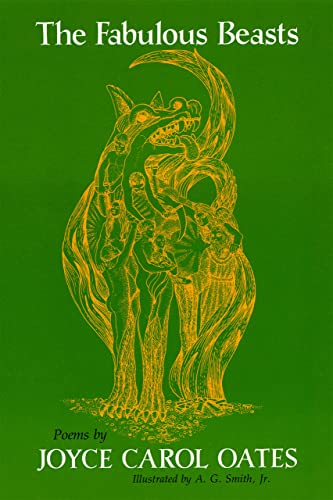


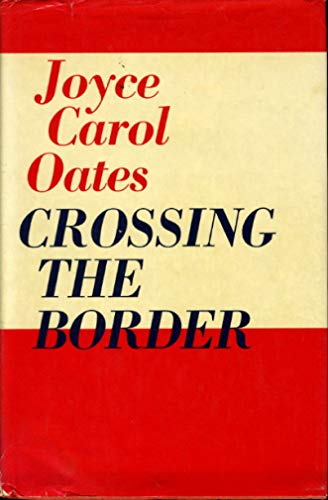

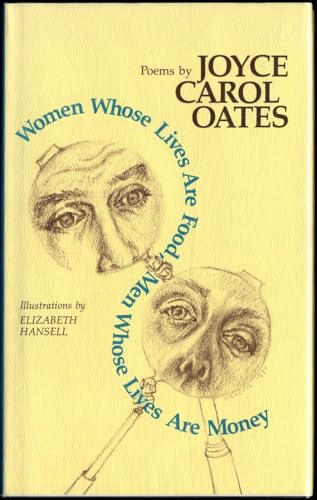












Publication Order of Plays Books

Publication Order of Picture Books


Publication Order of Non-Fiction Books







Publication Order of Akashic Drug Chronicles Books

Publication Order of Bibliomysteries Books
Publication Order of Dark Corners Books


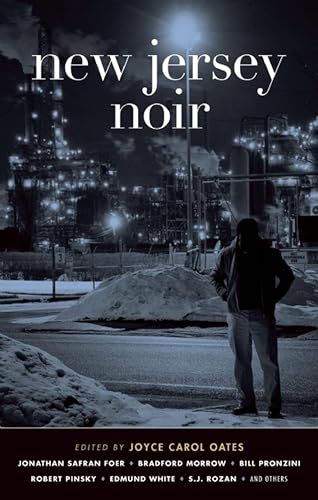
Publication Order of Akashic Noir Books



Publication Order of Selected Shorts Books

Publication Order of Literary Conversations Books

Publication Order of Art of the Story Books
Publication Order of Winnie the Pooh Books

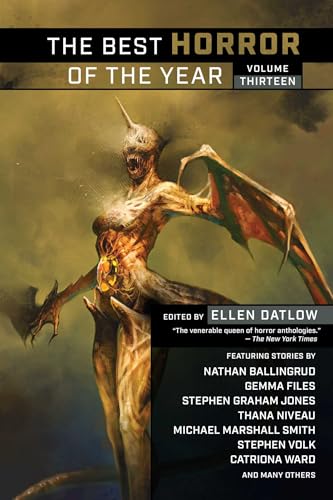
Publication Order of Best Horror of the Year Books
Publication Order of Transgressions Books

Publication Order of The Dark Descent Books

About Joyce Carol Oates
Joyce Carol Oates is an American novelist, short-story writer, essayist, playwright, poet, critic, and teacher whose extraordinary productivity has made her one of the most expansive figures in contemporary American literature. Born in Lockport, New York, in 1938 and raised in rural western New York, she began writing while young and went on to study at Syracuse University and the University of Wisconsin. Her first book, the short-story collection By the North Gate, appeared in 1963, beginning a publishing career that would eventually encompass dozens of novels alongside substantial bodies of short fiction, nonfiction, drama, and poetry.
Although the size of Oates’s bibliography is remarkable, its greater distinction lies in the range of American experience she has explored. Violence, family conflict, class, ambition, sexuality, identity, power, obsession, and the instability beneath seemingly ordinary lives recur throughout her fiction. She frequently places intimate psychological struggles against larger social forces, particularly the pressures created by economic inequality, gender, celebrity, race, and changing American institutions. Her prose can move from realism to gothic intensity, psychological suspense, historical reimagining, and outright horror without abandoning her interest in characters pushed toward emotional or moral extremes.
Oates emerged as a major literary figure during the 1960s and 1970s. Her novel them, part of the loosely connected Wonderland Quartet, won the National Book Award for Fiction in 1970. Set against a turbulent urban American landscape, it helped establish the combination of social observation and personal violence that would become strongly associated with her work. Later novels such as Black Water, We Were the Mulvaneys, and Blonde demonstrated how readily she could reshape her methods around different subjects. Black Water and Blonde were among several Oates works recognized as Pulitzer Prize finalists, while We Were the Mulvaneys became one of her most widely read novels.
Blonde, her large-scale fictional reimagining of Marilyn Monroe, is particularly representative of Oates’s interest in transforming recognizable American lives and events into psychological fiction rather than conventional biography. Elsewhere she has repeatedly drawn inspiration from crimes, public scandals, historical personalities, and cultural anxieties, using fiction to examine the emotional territory surrounding events rather than merely reproducing their factual record.
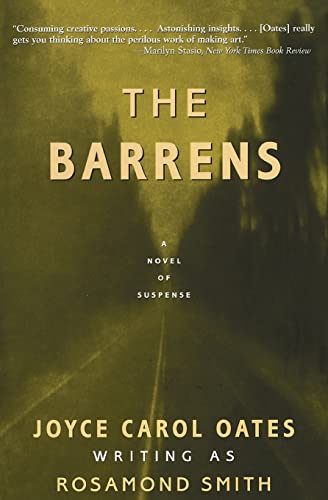
Her work also extends well beyond the novels published under her own name. Oates used the pseudonym Rosamond Smith for psychological suspense fiction and later published additional suspense novels as Lauren Kelly. These books reveal a darker, more overtly genre-oriented side of interests already visible throughout her main bibliography: doubles, unstable identities, threatening relationships, criminality, and the uncertain boundary between victim and aggressor.
Teaching has run parallel to Oates’s writing life for decades. After academic appointments that included the University of Detroit and the University of Windsor, she joined Princeton University in 1978, where she became a longtime member of the creative-writing faculty and later professor emerita. She and her first husband, Raymond J. Smith, also founded The Ontario Review and operated Ontario Review Press, giving her career an important editorial and publishing dimension in addition to her own writing.
Oates’s bibliography is therefore best approached not as one enormous sequence of similar novels but as several overlapping bodies of work. Literary realism sits beside gothic fiction, family sagas beside psychological thrillers, historical reimaginings beside experimental narratives and short stories. What connects them is her persistent attention to vulnerability, violence, identity, and the forces that reshape private lives. Even after more than six decades of publication, her work continues to resist a single defining genre, which is central to understanding both its scale and its lasting variety.