
Below is the complete list of Christopher Farnsworth books in order. For each series, the chronological reading order is the same as the order of publication.
Publication Order of Nathaniel Cade Books


Publication Order of John Smith Books


Publication Order of Standalone Books

Publication Order of Short Stories/Novellas Books
Publication Order of Jesse Stone Books




About Christopher Farnsworth
Christopher Farnsworth is an American novelist, screenwriter, and former journalist whose fiction mixes thrillers with supernatural horror, conspiracy, espionage, crime, and speculative ideas. He first attracted wide attention with the Nathaniel Cade novels, built around a vampire secretly sworn to protect the president of the United States, before creating psychic troubleshooter John Smith and writing standalones including The Eternal World and Reunion. More recently, Farnsworth became the latest novelist entrusted with Robert B. Parker’s Jesse Stone, moving into comparatively grounded crime fiction while retaining the fast pacing and concealed threats characteristic of his earlier work.
Born and raised in Idaho, Farnsworth graduated from the College of Idaho in 1993. He entered journalism and worked as an investigative and business reporter in Arizona and California. His nonfiction later appeared in publications including the Los Angeles Times, New York Post, The New Republic, and Washington Monthly. Reporting left a noticeable imprint on his fiction: even when monsters or paranormal abilities are involved, government agencies, corporations, money, bureaucratic secrecy, and people attempting to conceal inconvenient information remain central.
Farnsworth moved toward screenwriting after selling his first screenplay, The Academy, to MGM. Film and television subsequently remained part of his professional life, but an idea involving a presidential vampire led him into novels.
Blood Oath, published in 2010, introduced Nathaniel Cade, a vampire bound by a supernatural oath to defend the United States, and Zach Barrows, the ambitious White House staffer assigned to work with him. Instead of treating vampires primarily through gothic romance, Farnsworth places Cade inside a hidden version of American history filled with biological experiments, monsters, secret organizations, and threats the government cannot publicly acknowledge. The President’s Vampire and Red, White, and Blood expanded that mythology, with the shorter works The Burning Men and Deep State providing additional Cade adventures.
The Eternal World took a different approach to immortality. Its story revolves around an ancient source resembling the legendary Fountain of Youth and the consequences of bringing its promise into a modern world of medicine, corporate ambition, and scientific experimentation.
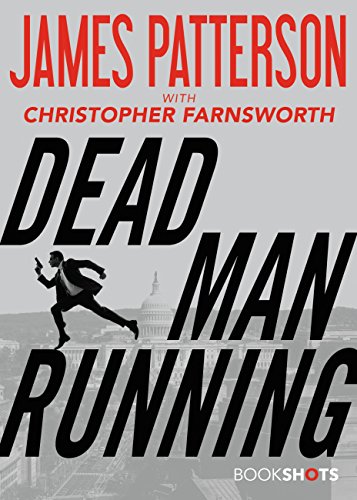
Farnsworth returned to series fiction with John Smith in Killfile. Smith possesses telepathic abilities that allow him to hear other people’s thoughts, a gift that makes him an exceptionally valuable—and dangerous—security consultant. Flashmob expands his world into the darker possibilities of social media, surveillance, crowdsourcing, and technologically enabled violence. Farnsworth also collaborated with James Patterson on the thriller novella Dead Man Running and wrote the graphic novel 24: Legacy—Rules of Engagement.
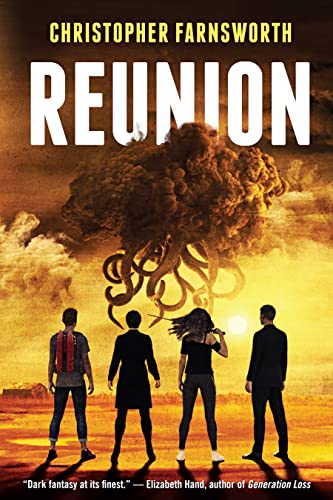
Reunion blends suspense with supernatural horror through former childhood friends returning to confront an evil connected to their shared past, showing Farnsworth again combining recognizable thriller structures with something that cannot be explained through ordinary crime.
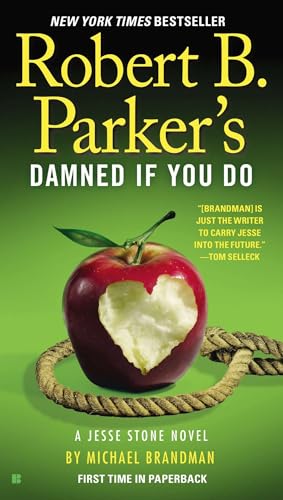
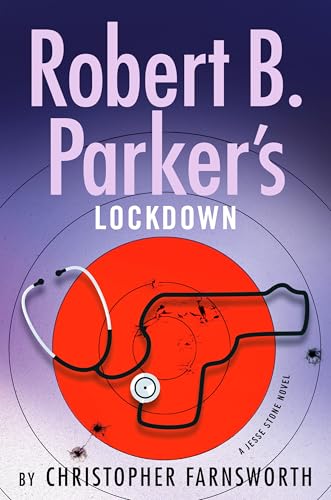
A significant new phase began when the Robert B. Parker estate selected Farnsworth to continue the Jesse Stone series. A longtime Parker reader, he debuted with Robert B. Parker’s Buried Secrets in 2025 and followed it with Big Shot in 2026. A further installment, Lockdown, is scheduled for 2027.
Whether his protagonist is a vampire working for the White House, a telepath confronting modern surveillance, or a police chief investigating murder in Paradise, Farnsworth repeatedly builds stories around hidden systems of power. His journalism supplies the institutional realism; the supernatural and thriller elements ask what might be operating just beyond what those institutions are willing to admit.