
Below is the complete list of Leslie Meier books in order. For each series, the chronological reading order is the same as the order of publication.
Publication Order of Lucy Stone Books
with Lee Hollis, Barbara Ross, Peggy Ehrhart
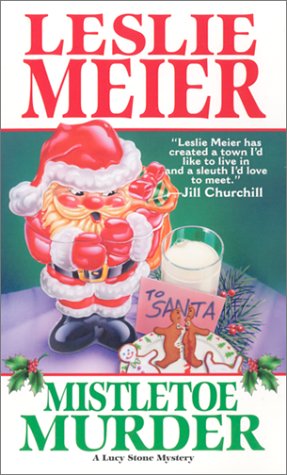







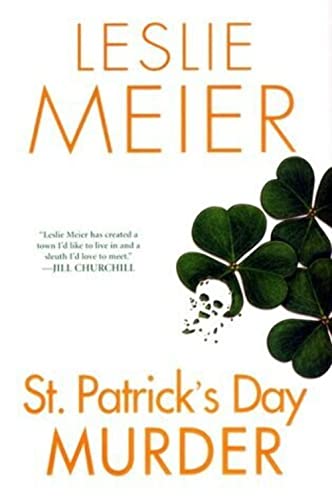


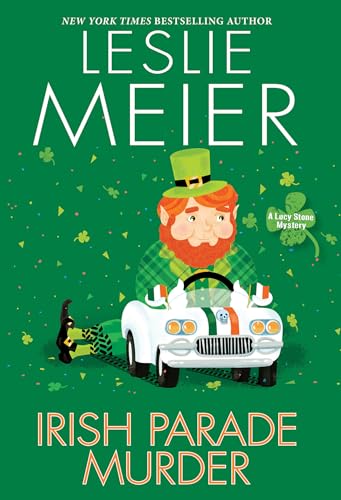





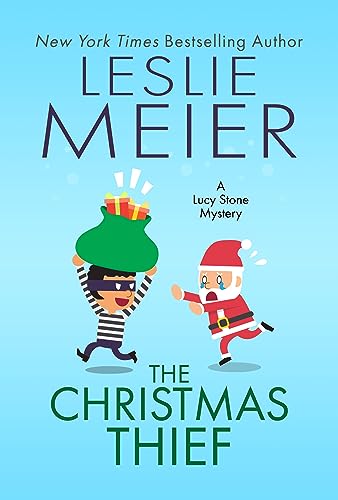


Publication Order of Lucy Stone Collections Books


Publication Order of Carole and Poopsie Mystery Books

Publication Order of A Knit & Nibble Mystery Books
with Lee Hollis, Peggy Ehrhart


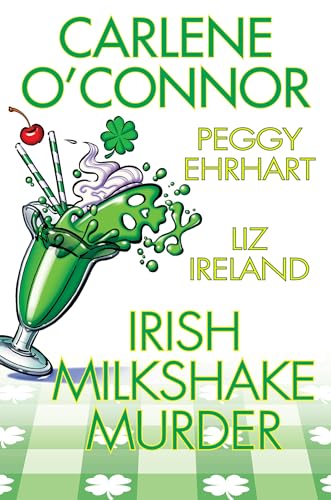


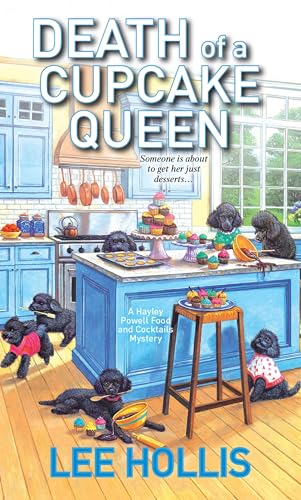
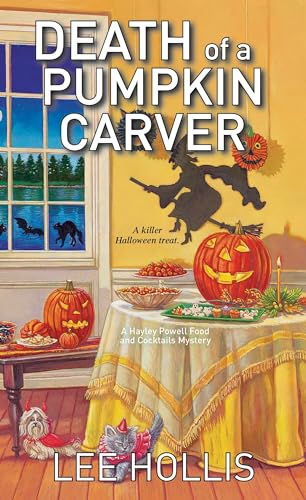
Publication Order of Hayley Powell Food and Cocktails Mysteries Books
with Lee Hollis, Peggy Ehrhart





About Leslie Meier
Leslie Meier is an American mystery writer best known for the long-running Lucy Stone series, a collection of cozy mysteries set primarily in the fictional coastal community of Tinker’s Cove, Maine. Beginning with Mistletoe Murder in 1991, the series has followed Lucy through decades of family life, journalism, community involvement, and amateur sleuthing. Meier’s work is particularly recognizable for placing murder mysteries inside ordinary domestic settings, seasonal celebrations, and small-town institutions, allowing everyday relationships to matter as much as clues and suspects.
Meier was born in San Diego, California, but spent much of her adult life in New England, an experience that became central to the atmosphere of her fiction. She studied at Bridgewater State College in Massachusetts and later earned a degree from the University of Massachusetts. Before establishing herself as a full-time novelist, she held a variety of jobs while raising her family, including work connected with local newspapers. Her experience as a reporter and columnist eventually became especially useful when developing Lucy Stone’s professional life.
The creation of Lucy drew substantially on Meier’s own circumstances as a mother living in a small New England community. In the earliest books, Lucy is raising four children with her husband, Bill, while coping with household responsibilities, part-time work, financial pressures, and the demands of community life. Rather than beginning as a professional investigator, she becomes involved in mysteries because crimes occur among the people and institutions already surrounding her.
As the series develops, Lucy takes on a larger role at the local Pennysaver newspaper and becomes an increasingly experienced reporter. Journalism gives her both practical investigative skills and legitimate reasons to ask uncomfortable questions. It also allows Meier to explore the social machinery of Tinker’s Cove—local government, schools, businesses, neighborhood disputes, charities, clubs, and community controversies—without making every story dependent on an artificial connection to law enforcement.
Seasonal mysteries became one of Meier’s signatures. Christmas appears repeatedly, but Lucy’s cases have also been organized around Halloween, Thanksgiving, Valentine’s Day, Easter, Mother’s Day, Father’s Day, weddings, birthdays, and other occasions. Meier uses holidays less as decorative themes than as situations that bring people together under emotional pressure. Family expectations, money, jealousy, old resentments, and social obligations can all intensify when a community is supposed to be celebrating.
An important feature of Meier’s writing is the passage of time within Lucy’s family. The Stone children grow from youngsters into teenagers and adults, eventually developing careers, relationships, and families of their own. Lucy’s marriage to Bill changes as they move through different stages of life, while her role in Tinker’s Cove expands through friendships and journalism. That continuing personal development distinguishes the series from cozy mysteries in which the protagonist remains almost unchanged regardless of how many years pass between books.
Meier has also contributed Lucy Stone stories to multi-author mystery collections, particularly holiday-themed volumes featuring other established cozy writers. These collaborations supplement the main novels rather than creating an entirely separate continuity, and they reflect the strong association between Lucy Stone and seasonal mystery fiction.
Across her career, Meier has built her reputation around the contrast between comfortable surroundings and the complications hidden beneath them. Kitchens, newspaper offices, town meetings, holiday gatherings, and family homes may appear safely familiar, but jealousy, greed, rivalry, and long-kept secrets can transform them into crime scenes. Her bibliography is consequently best understood through Lucy Stone’s changing life and community: the mysteries may reset with each new case, but the woman solving them has been allowed to grow older, gain experience, and carry the history of Tinker’s Cove with her.