
Below is the complete list of Elmore Leonard books in order. For each series, the chronological reading order is the same as the order of publication.
Publication Order of Jack Ryan Books


Publication Order of Frank Ryan Books

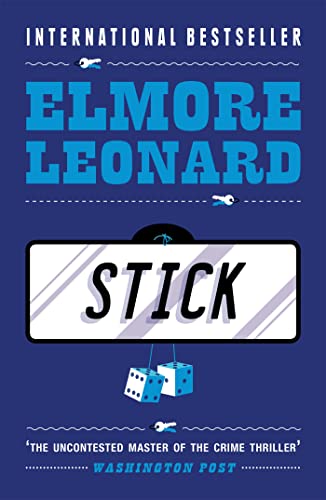
Publication Order of Chili Palmer Books


Publication Order of Raylan Givens Books
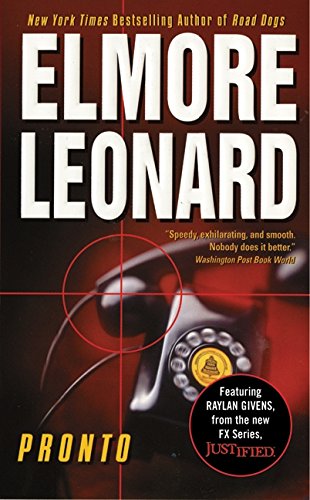


Publication Order of Jack Foley Books


Publication Order of Carl Webster Books


Publication Order of Ordell Robbie & Louis Gara Books

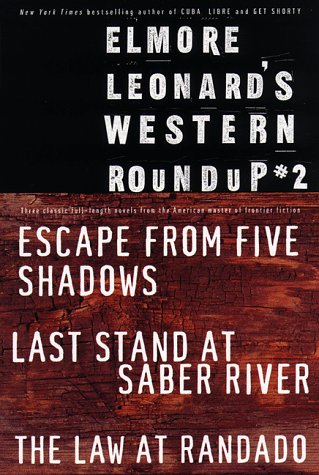
Publication Order of Elmore Leonard’s Western Roundup Books


Publication Order of Standalone Books









- The Trespassers (2013)
The Trespassers was first published in 2013; within the Standalone series, it is listed as book #30. - Confession (2013)
Confession was published in 2013 and is listed as book #31 in the Standalone series.
Publication Order of Short Stories/Novellas Books

Publication Order of Short Story Collections Books


Publication Order of Non-Fiction Books

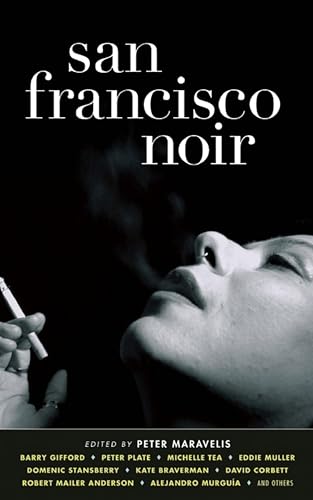
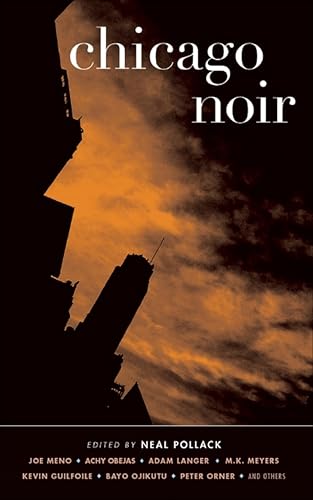
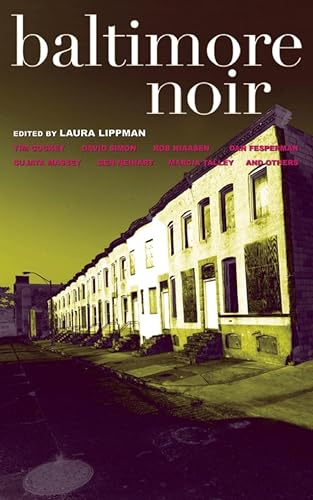
Publication Order of Akashic Noir Books





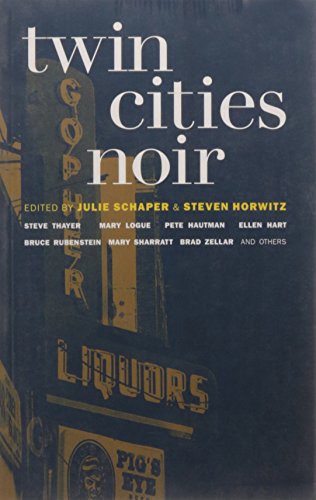


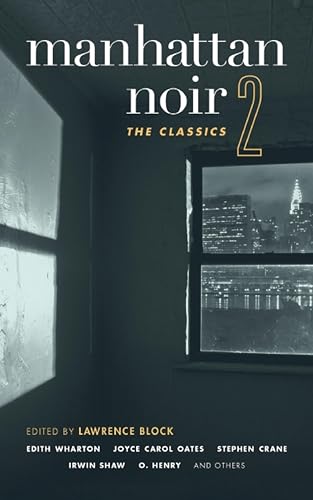


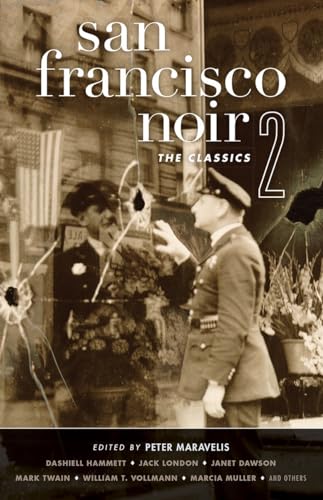


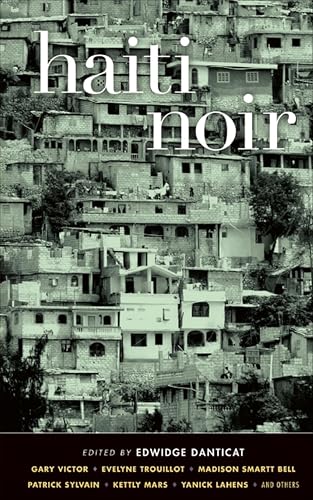

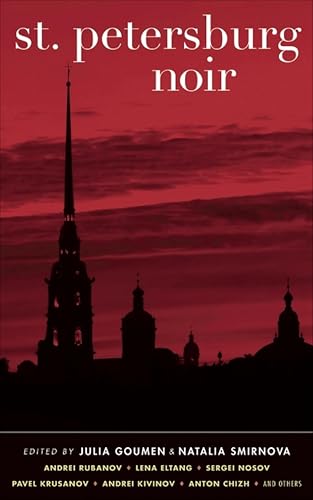
- Pittsburgh Noir (2011)
Pittsburgh Noir was first published in 2011; within the Akashic Noir series, it is listed as book #45. 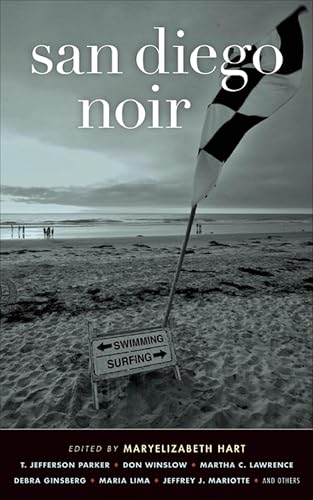





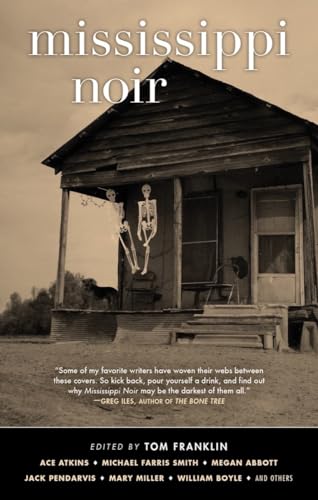
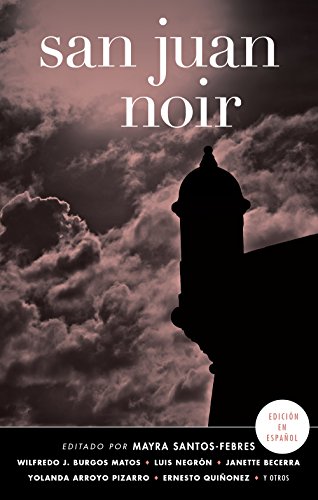
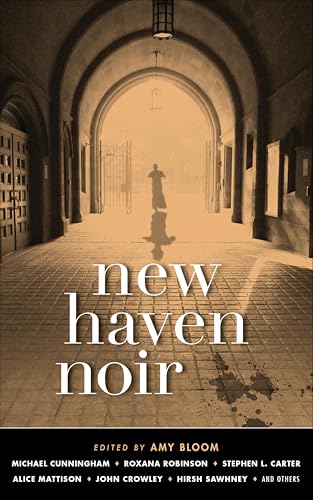
- Providence Noir (2015)
Providence Noir was first published in 2015; within the Akashic Noir series, it is listed as book #70. 








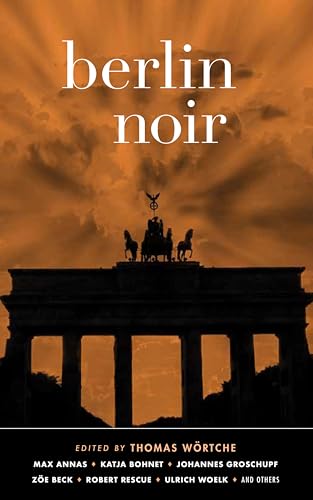


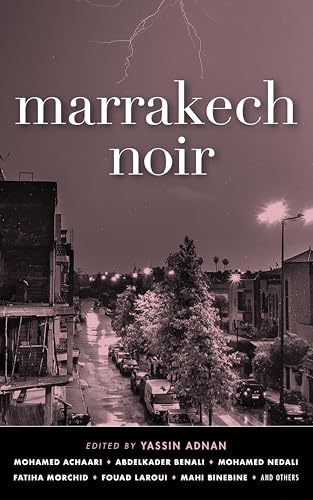
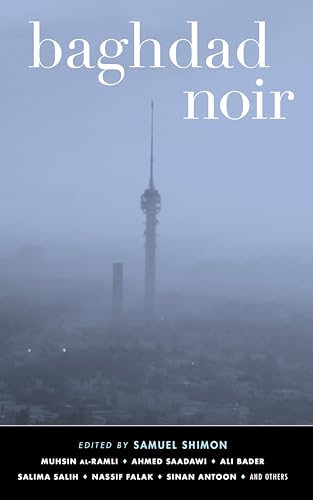

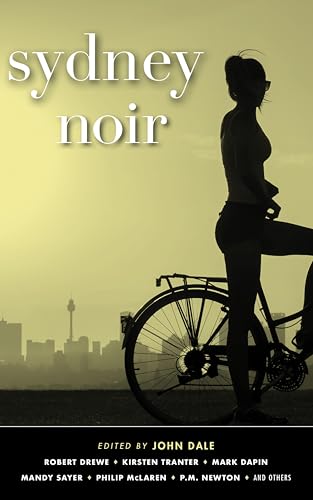


- Addis Ababa Noir (2020)
Published in 2020, Addis Ababa Noir is listed as book #107 in the Akashic Noir series. 


- Denver Noir (2022)
In the Akashic Noir series, Denver Noir is book #114 and was published in 2022. 


About Elmore Leonard
Elmore Leonard (1925–2013) was an American novelist and screenwriter celebrated for his crime fiction, Westerns, razor-sharp dialogue, and unforgettable criminal characters. Nicknamed the “Dickens of Detroit,” he developed a distinctive storytelling style built around natural conversation, dark humour, and morally ambiguous individuals. His novels, including Get Shorty, Glitz, Rum Punch, and Out of Sight, helped redefine modern American crime fiction and inspired numerous successful film and television adaptations.
Born Elmore John Leonard Jr. on October 11, 1925, in New Orleans, Louisiana, he spent his childhood moving between different cities before his family settled in Detroit, Michigan, in 1934. His father worked for General Motors, and Detroit’s industrial environment, working-class communities, and criminal underworld would later become important influences on his fiction.
After graduating from high school in 1943, Leonard served in the United States Navy during World War II. He subsequently attended the University of Detroit, graduating in 1950 with a degree in English and philosophy.
Leonard began his professional writing career while working as an advertising copywriter at Campbell-Ewald. Fascinated by Western films and stories, he studied the American frontier and began submitting fiction to popular magazines.
His first published short story, Trail of the Apache, appeared in 1951. Two years later, he published his debut novel, The Bounty Hunters (1953), establishing a career in Western fiction.
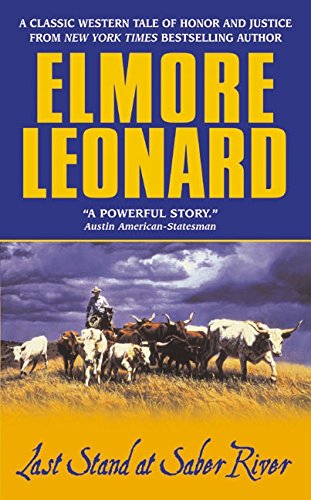
His early novels included The Law at Randado, Escape from Five Shadows, and Last Stand at Saber River. Hombre (1961), featuring a white man raised among Apaches, became one of his most acclaimed Westerns and was adapted into a 1967 film starring Paul Newman.
Leonard also wrote the short story Three-Ten to Yuma, which became the basis for the films 3:10 to Yuma (1957) and its 2007 remake.
As demand for traditional Western fiction declined, Leonard turned toward contemporary crime stories. The Big Bounce (1969) marked an important transition, introducing the criminals, complicated schemes, and unpredictable dialogue that would define much of his later work.
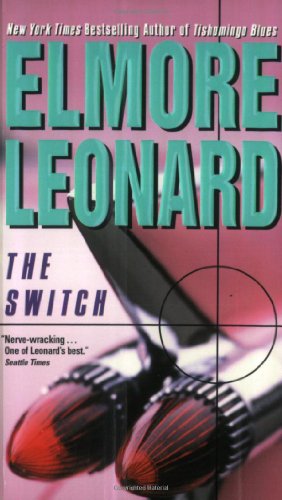
Novels such as Fifty-Two Pickup, Swag, and The Switch explored criminal partnerships, kidnapping schemes, and the consequences of seemingly straightforward plans that collapse through human error.
His breakthrough into widespread commercial recognition came with Glitz (1985), a bestselling thriller involving an Atlantic City investigation and a dangerous criminal seeking revenge. The novel demonstrated Leonard’s ability to combine suspense with humour and psychologically convincing characters.
Throughout the following decades, Leonard developed several memorable recurring protagonists. Chili Palmer, a Miami loan shark who becomes involved in Hollywood filmmaking, appears in Get Shorty (1990) and Be Cool (1999). Both novels satirise the entertainment industry through Leonard’s distinctive criminal perspective.
Rum Punch (1992) features criminal associates Ordell Robbie and Louis Gara, previously introduced in The Switch. Quentin Tarantino adapted the novel into the critically acclaimed film Jackie Brown (1997).
Another important character is federal marshal Raylan Givens, introduced in Pronto (1993) and subsequently featured in Riding the Rap, the short story Fire in the Hole, and Raylan (2012).
Raylan’s understated manner, cowboy hat, and unconventional approach to law enforcement inspired the television series Justified, starring Timothy Olyphant.
Leonard’s novels also frequently return to familiar criminals across otherwise separate stories. Bank robber Jack Foley, introduced in Out of Sight (1996), reappears in Road Dogs (2009), while Carl Webster features in The Hot Kid and related historical crime fiction.
His writing style became particularly influential through its economical prose and realistic dialogue. Leonard avoided elaborate descriptions and excessive exposition, preferring to reveal character through speech, behaviour, and carefully observed details.
In 2001, he published his widely discussed writing advice, later expanded into Elmore Leonard’s 10 Rules of Writing (2007). His principles emphasised clarity, restraint, and avoiding language that distracts readers from the story.
Leonard received numerous literary honours, including the Edgar Award for Best Novel for LaBrava (1983) and the Grand Master Award from the Mystery Writers of America in 1992. In 2012, he received the National Book Foundation’s Medal for Distinguished Contribution to American Letters.
Over his career, he published forty-five novels alongside short stories, screenplays, and other works. His fiction influenced generations of crime writers and filmmakers through its emphasis on criminal psychology, conversational authenticity, and unpredictable storytelling.
Leonard died on August 20, 2013, in Bloomfield Township, Michigan, aged eighty-seven.
His literary legacy rests on an exceptional ability to make criminals, detectives, and ordinary people equally compelling. Rather than dividing his fictional worlds into heroes and villains, Leonard portrayed individuals driven by ambition, greed, loyalty, and personal codes of behaviour, creating crime stories whose humour and humanity remain as memorable as their violence.