
Below is the complete list of Carl Hiaasen books in order. For each series, the chronological reading order is the same as the order of publication.
Publication Order of Andrew Yancy Books


Publication Order of Black Lizard Books
with William D. Montalbano


Publication Order of Skink Books
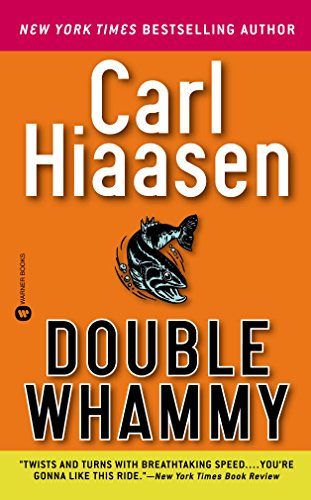
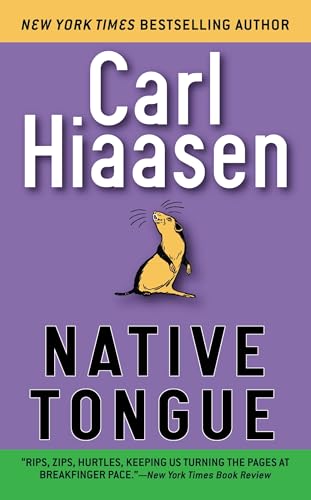


Publication Order of Mick Stranahan Books

Publication Order of Juvenile Books


Publication Order of Standalone Books


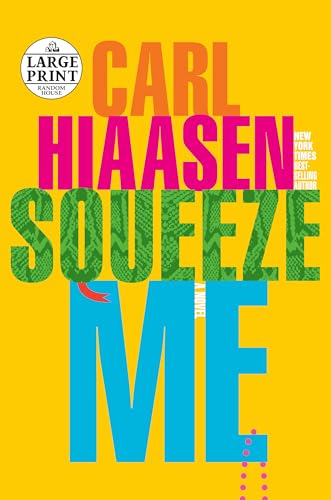

Publication Order of Short Stories/Novellas Books
- The Edible Exile (2013)
The Edible Exile was published in 2013 and is listed as book #1 in the Short Stories/Novellas series.
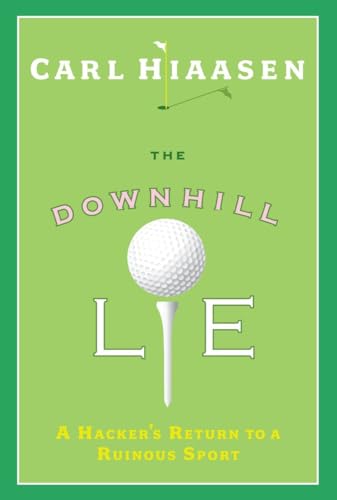
Publication Order of Non-Fiction Books




About Carl Hiaasen
Carl Hiaasen is an American journalist and novelist whose name is almost inseparable from Florida: its swamps, beaches, corrupt developers, political absurdities, endangered wildlife, and spectacularly strange human behavior. Born and raised in Florida, he built his reputation first as a newspaper reporter and columnist, then as a novelist whose comic crime fiction turned the state’s environmental and civic dysfunction into sharp, outrageous satire. His books are funny, but the comedy usually has teeth. Beneath the grotesque villains, bizarre schemes, and escalating chaos is a persistent anger at greed, hypocrisy, and the destruction of the natural world.
Hiaasen studied journalism at the University of Florida and joined The Miami Herald in the 1970s, working as a reporter before moving through the paper’s magazine and investigations team. He later became a long-running columnist, using the same eye for political misconduct, local scandal, and environmental abuse that would power much of his fiction. His journalistic background is crucial to understanding his novels. Even at their most absurd, they often begin from a recognizably real Florida: land speculation, tourist development, crooked officials, collapsing public ethics, invasive ambition, and people willing to wreck irreplaceable places for profit.
His earliest novels were co-written with journalist William Montalbano, including Powder Burn, Trap Line, and A Death in China. Hiaasen’s first solo novel, Tourist Season, established the territory that would make him distinctive: a Florida crime story driven by environmental outrage, savage humor, and characters who seem extreme until the world around them proves even more extreme. From there, books such as Double Whammy, Native Tongue, Strip Tease, Stormy Weather, and Sick Puppy refined his signature pattern of criminal plotting, ecological anger, comic violence, and gleeful contempt for the powerful.
Hiaasen’s adult fiction rarely depends on a single recurring hero. Instead, his bibliography is tied together by a shared moral and geographical ecosystem. Characters such as Skink, the feral former governor of Florida, reappear across multiple books, but the larger continuity is tonal: righteous eccentrics, con artists, tourists, lobbyists, developers, politicians, lowlifes, and reluctant do-gooders collide in stories where the state itself feels like both victim and accomplice. His villains are often people who mistake wealth or influence for immunity, and his plots delight in proving them wrong.
He also developed a major second career as a writer for younger readers. Hoot, his first children’s novel, won a Newbery Honor and introduced a new audience to the environmental concerns long present in his adult fiction. Later books such as Flush, Scat, Chomp, Squirm, and Wrecker adapt his interest in wildlife, corruption, and Florida landscapes for middle-grade readers without losing the wit and indignation that define his work. Skink—No Surrender bridges his adult and young-reader worlds by bringing one of his most memorable adult characters into a young adult adventure.
Several of Hiaasen’s books have also moved beyond the page. Strip Tease was adapted into the film Striptease, Hoot became a feature film, and Bad Monkey was adapted as a television series. Those adaptations reflect his broad appeal, though his fiction remains most potent in prose, where rapid comic timing, journalistic detail, and moral fury can operate together.
Hiaasen’s bibliography is best understood as a sustained satirical project rather than a set of neatly separated series. Whether writing for adults or younger readers, he returns to the same central conflict: fragile natural beauty and ordinary decency under assault from greed, stupidity, and corruption. His great comic gift is making that conflict wildly entertaining without ever pretending it is harmless.