
Below is the complete list of Bernard Cornwell books in order. For each series, the chronological reading order is the same as the order of publication.
Publication Order of Sharpe Books


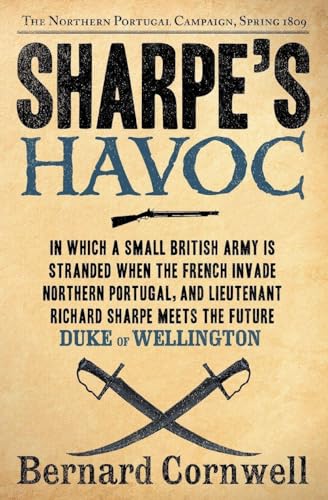



Publication Order of Sharpe Non-Fiction Books

Publication Order of Crowning Mercy Books
with Susannah Kells


Publication Order of Grail Quest Books


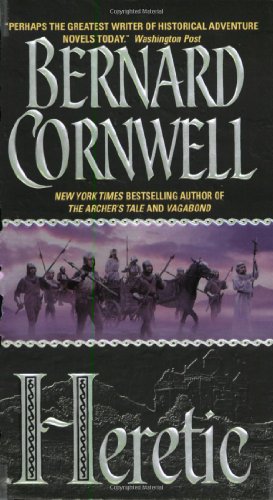

Publication Order of Starbuck Chronicles Books




Publication Order of Sailing Thrillers Books


Publication Order of The Warlord Chronicles Books


Publication Order of The Last Kingdom Books




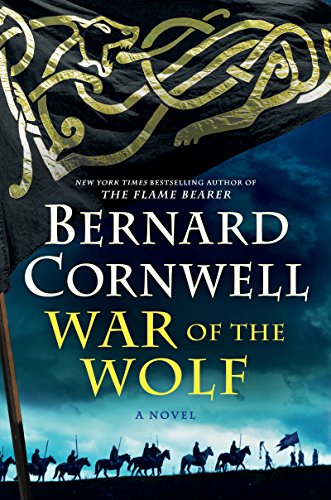


Publication Order of Standalone Books
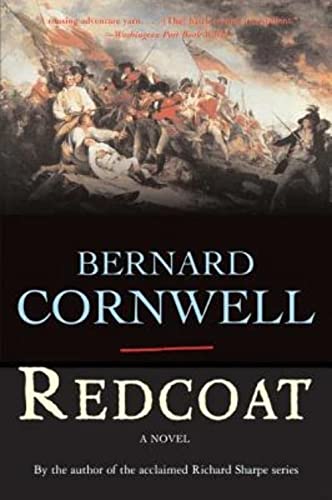


Publication Order of Non-Fiction Books

About Bernard Cornwell
Bernard Cornwell is a British-American historical novelist best known for the Richard Sharpe adventures and The Last Kingdom series, two bodies of work that have helped make him one of the most widely read writers of military historical fiction. His novels range from the Viking Age and Arthurian Britain to the Hundred Years’ War, the American Revolution, the American Civil War, and the Napoleonic Wars. Battles provide much of their momentum, but Cornwell’s fiction is equally concerned with divided loyalties, class, religion, political ambition, and the ordinary soldiers whose experiences are often overshadowed by famous commanders.
Born in London in 1944, Cornwell was the son of a Canadian airman and a British woman serving in the Women’s Auxiliary Air Force. He was adopted and raised in Essex by members of the Peculiar People, a strict Protestant sect whose religious environment he later described as deeply restrictive. After university, he worked as a teacher before joining the BBC, where he spent roughly a decade in television. His career eventually included serving as Head of Current Affairs Television for the BBC in Northern Ireland.
While working in Belfast, Cornwell met Judy, an American who would become his wife. Because family circumstances prevented her from settling permanently in Britain, Cornwell moved to the United States. Unable initially to obtain a Green Card permitting conventional employment, he turned to writing—something he could do without an American work permit. He had long wanted to create a Napoleonic adventure series comparable in spirit to C. S. Forester’s Horatio Hornblower novels, but centered on a British soldier rather than a naval officer.
That idea produced Richard Sharpe. Beginning with Sharpe’s Eagle in 1981, Cornwell followed an officer who rises from poverty and the ranks of the British Army through courage, battlefield ability, and stubborn refusal to accept the social limitations imposed on him. Cornwell later filled gaps in Sharpe’s life with novels set in India and elsewhere, producing a sequence that now stretches across many years of military history. The television adaptations starring Sean Bean greatly expanded the character’s audience, while Cornwell has continued returning to Sharpe decades after the series began.
Another defining achievement is the sequence now generally known as The Last Kingdom series. Its thirteen novels follow Uhtred of Bebbanburg, a Saxon nobleman raised among Danes, through the wars that gradually lead toward the creation of England. Alfred the Great and his descendants provide the historical framework, while the fictional Uhtred allows Cornwell to explore shifting identities between Saxon and Danish cultures. The novels became the basis for the television drama The Last Kingdom.
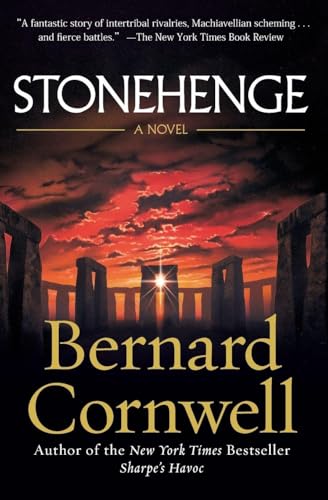
Cornwell has repeatedly built new fictional worlds around different periods. The Warlord Chronicles reinterpret the Arthurian legends through a grittier post-Roman Britain, while the Grail Quest novels follow archer Thomas of Hookton during the Hundred Years’ War. The Starbuck Chronicles move to the Confederate army during the American Civil War. Standalone works such as Stonehenge, Azincourt, The Fort, and Fools and Mortals demonstrate the same interest in reconstructing historical worlds through characters close to their violence and uncertainty.
His nonfiction book Waterloo applies that narrative energy directly to documented military history.
Cornwell’s enduring appeal lies in making large historical conflicts understandable at ground level. Kings and generals may determine strategy, but his stories usually belong to the archers, riflemen, shield-wall warriors, and reluctant fighters who must survive its consequences. Detailed research, clear battlefield geography, dark humor, and flawed, resilient protagonists have given his enormous bibliography a remarkably consistent identity across more than two thousand years of history.