
Below is the complete list of Anthony Horowitz books in order. For each series, the chronological reading order is the same as the order of publication.
Publication Order of Alex Rider Books




Publication Order of Alex Rider Collections Books


Publication Order of Alex Rider: The Graphic Novel Books
with Antony Johnston


Publication Order of Alex Rider Non-Fiction Books


Publication Order of Becoming Sherlock Books
with Sarah J. Naughton


Publication Order of Daniel Hawthorne Books


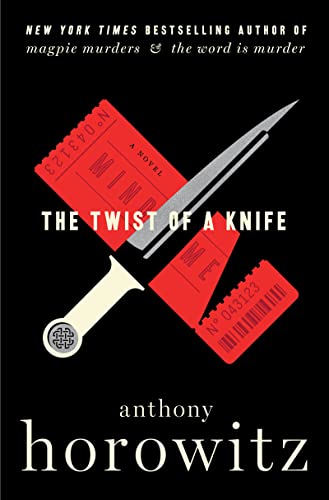


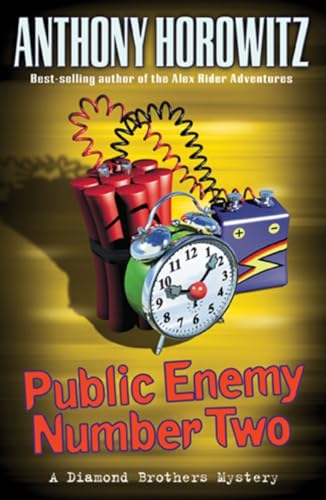
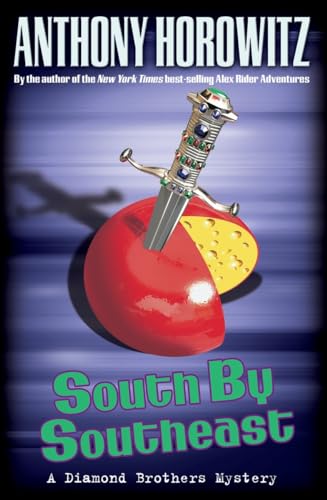
Publication Order of Diamond Brothers Books



- The Double Eagle Has Landed (2011)
In the Diamond Brothers series, The Double Eagle Has Landed is book #9 and was published in 2011. 
Publication Order of Diamond Brother Mysteries Books


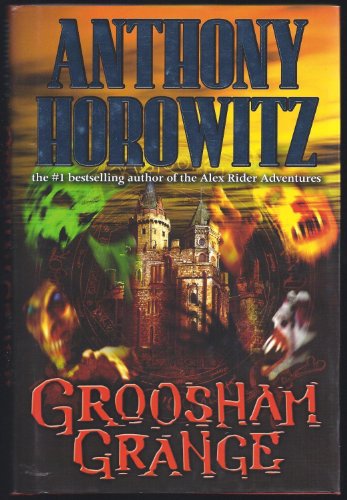
Publication Order of Groosham Grange Books

Publication Order of Horrowitz Horror Shorts Books


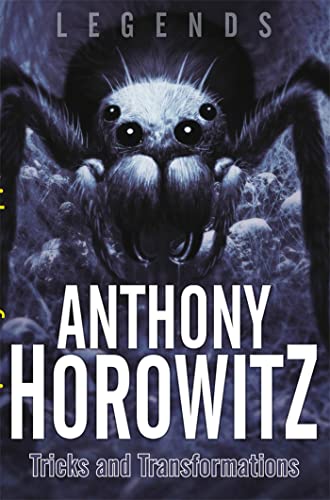
Publication Order of Legends Books


Publication Order of Pentagram Chronicles Books



Publication Order of Pocket Horowitz Books Books


Publication Order of Power Of Five/The Gatekeepers Books


Publication Order of Sherlock Holmes Books


- The Adventure of the Seven Christmas Cards (2020)
In the Sherlock Holmes series, The Adventure of the Seven Christmas Cards is book #4 and was published in 2020.
Publication Order of Susan Ryeland Books


Publication Order of Standalone Books


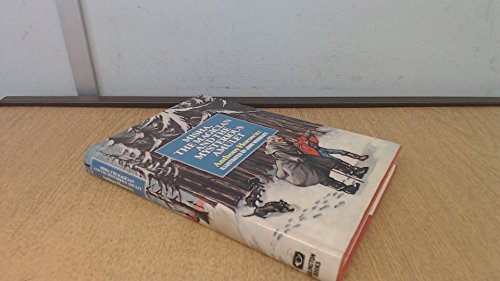


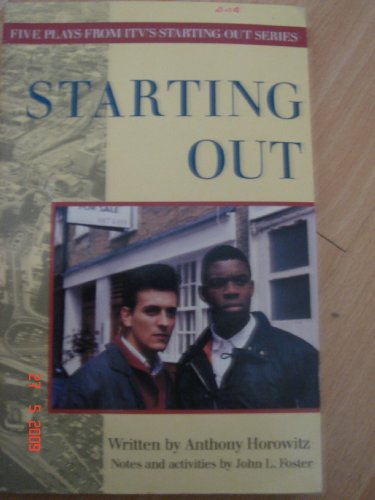




Publication Order of Short Stories/Novellas Books

Publication Order of Short Story Collections Books


Publication Order of Standalone Plays Books

Publication Order of Bug Club Books

Publication Order of James Bond Books


About Anthony Horowitz
Anthony Horowitz is an English novelist, screenwriter, and television creator whose career stretches across children’s adventure, adult murder mystery, espionage, horror, fantasy, and continuation novels for some of the most famous characters in popular fiction. Born in 1955 in Stanmore, Middlesex, he became widely known to younger readers through Alex Rider, the teen-spy series that began with Stormbreaker, while adult readers know him for intricate crime novels such as Magpie Murders and the Hawthorne and Horowitz series. His bibliography is unusually varied, but it is held together by pace, structure, misdirection, and a lifelong fascination with classic storytelling machinery.
Horowitz began publishing fiction in the late 1970s and early 1980s, before building a strong reputation in children’s and young adult books. The Diamond Brothers series showed his comic approach to detective fiction, pairing schoolboy Nick Diamond with his hopeless older brother Tim in mysteries that parody hard-boiled and classic crime conventions. The Power of Five, beginning with Raven’s Gate, moved into darker fantasy, ancient evil, and supernatural threat. These books demonstrate that Horowitz was not only a writer of spy stories; he was already comfortable moving between genres while keeping young readers close to danger, humor, and suspense.
Alex Rider became his defining children’s series. The central idea is direct and potent: a teenage boy is pulled into the world of British intelligence and forced to become an agent long before he is emotionally or morally prepared for that life. Across the series, Horowitz combines Bond-style gadgets, international villains, schoolboy vulnerability, and increasingly serious consequences. Alex is not simply a fantasy of youthful competence; he is also a child repeatedly used by adults and institutions that claim necessity as an excuse.
Horowitz’s adult crime fiction shows a different side of the same formal intelligence. Magpie Murders and its sequels use the idea of a mystery inside a mystery, playing with the legacy of Golden Age detective fiction while giving the frame narrative its own emotional and investigative weight. The Hawthorne and Horowitz novels go further into metafiction by casting a version of Horowitz himself as narrator and reluctant chronicler of ex-detective Daniel Hawthorne. The books are playful, but the construction is rigorous: clues, withheld information, narrative self-consciousness, and authorial embarrassment all become part of the machinery.
His relationship with established literary icons is also significant. Horowitz was authorized by the Conan Doyle estate to write new Sherlock Holmes novels, including The House of Silk and Moriarty. He was also commissioned by the Ian Fleming estate to write James Bond continuation novels, including Trigger Mortis, Forever and a Day, and With a Mind to Kill. These projects suited him because his own work has always shown deep respect for genre architecture. He can imitate, extend, and interrogate familiar forms without treating them as disposable nostalgia.
Television has been equally important to his career. Horowitz created Foyle’s War, the acclaimed wartime and postwar detective drama centered on Christopher Foyle, and contributed to other British crime television, including Midsomer Murders. His screen work reflects the same qualities as his fiction: tightly managed plots, moral pressure, period detail, and crimes that reveal more than the identity of a culprit.
Horowitz was awarded a CBE for services to literature, an honor that recognizes the breadth of a career spanning books, television, and popular culture. His bibliography is best understood by its main strands: Alex Rider and other youth adventures, adult puzzle mysteries, authorized Bond and Holmes novels, and screen drama. Across all of them, Horowitz remains a craftsman of narrative traps—stories that move quickly, entertain generously, and reveal how carefully the game has been built only when the final door closes.