
Below is the complete list of Anne Perry books in order. For this series, the chronological reading order is the same as the order of publication.
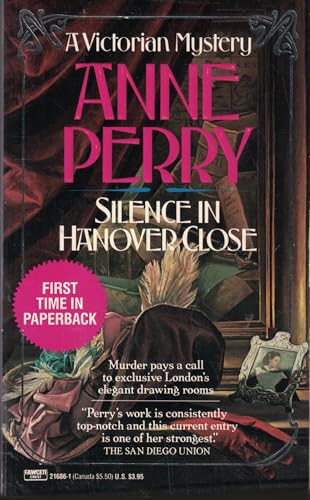
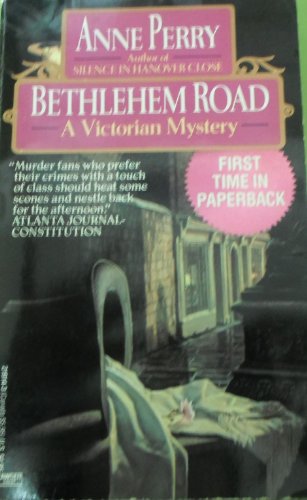
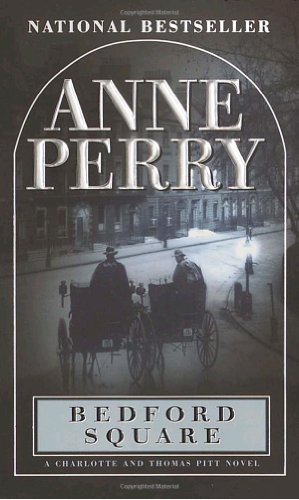
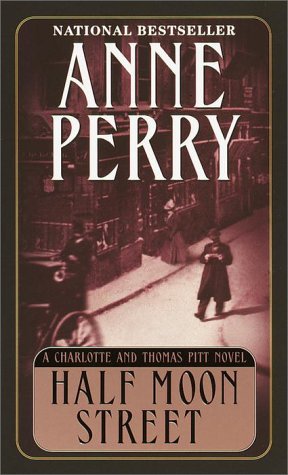
Publication Order of Charlotte & Thomas Pitt Books






Publication Order of Christmas Stories Books







Publication Order of Elena Standish Books


Publication Order of Tathea Books


Publication Order of Timepiece Books



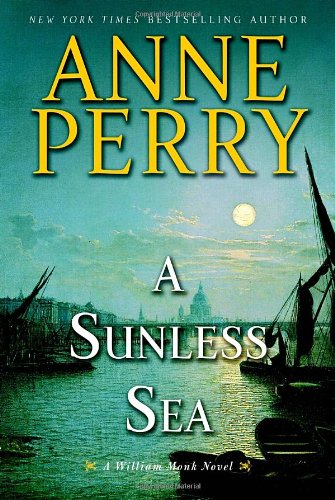
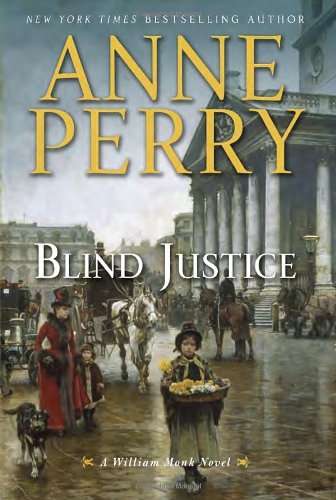
Publication Order of William Monk Books











Publication Order of World War I Books


Publication Order of Standalone Novels Books


Publication Order of Non-Fiction Books

Publication Order of Daniel Pitt Books
with Victoria Zackheim



About Anne Perry
Anne Perry built one of the most substantial bodies of historical crime fiction of the last several decades, and her work is best understood through the scale and consistency of that achievement. Writing under the name Anne Perry, she became especially known for two long-running Victorian mystery series: the Thomas and Charlotte Pitt novels, which began with The Cater Street Hangman in 1979, and the William Monk novels, launched with The Face of a Stranger in 1990. Together, those books established her as a major presence in historical suspense, with a readership drawn not only to murder plots but to the texture of the worlds she created around them.
What distinguished Perry from many other crime writers was her ability to make the social fabric of the nineteenth century feel central rather than decorative. In the Pitt novels, class tension is built into the series from the start. Thomas Pitt, a policeman of modest background, and Charlotte, who comes from a more privileged world, allow the books to move across social boundaries in a way that gives the mysteries unusual range. The novels are not simply puzzles placed in period costume. They are also studies of family structure, power, respectability, and the rules people use to protect themselves from scandal.
The Monk books work differently. Their central premise gives the series a darker, more psychologically uncertain tone. William Monk begins as a man recovering from memory loss, and that instability shapes the series from its opening stretch. If the Pitt novels often explore the pressures of Victorian society from multiple vantage points, the Monk novels can feel more inward, morally troubled, and emotionally exposed. Read together, the two series show Perry’s range within historical crime: one broad and socially observant, the other sharper-edged and more haunted.
Her bibliography extends well beyond those two pillars. She later developed the Daniel Pitt novels, shifting the focus to the next generation, and also wrote a World War I sequence, the Elena Standish books, numerous Christmas mysteries, short fiction, and a smaller number of standalone works. That matters because Perry was never simply repeating one formula. Even when she stayed within mystery conventions, she kept finding new historical angles, new investigative structures, and new emotional stakes. Her fiction consistently returned to questions of conscience, justice, loyalty, and the costs of silence.
Publication order matters with Perry more than it does for many mystery writers because her major series are cumulative. Character relationships deepen gradually, social roles evolve, and the emotional history of the protagonists becomes part of the reading experience. That is especially true in the Pitt and Monk books, where later installments carry more weight when the reader has seen the characters earn their authority, suffer losses, and change over time. The Daniel Pitt novels also make the most sense when read with some awareness of the earlier Pitt world, since part of their interest comes from generational continuity rather than a complete reset.
Perry’s life has often been discussed alongside her fiction because of the notoriety attached to her youth, when, under her birth name Juliet Hulme, she was involved in a murder case in New Zealand. That history became public knowledge long after her writing career was established. It remains part of any full account of her life, but it should not obscure what her bibliography shows on its own terms: remarkable discipline, enormous productivity, and a sustained command of historical crime storytelling.
The best way to understand Anne Perry’s work is to see it as more than a shelf of period mysteries. At her strongest, she wrote novels in which crime exposes the structure of a society. Her books are about guilt, secrecy, ambition, duty, and moral compromise, but also about the institutions people live inside, whether family, class, church, law, or empire. That is why her long publication history rewards reading in order. You are not just following detectives from case to case. You are watching an entire fictional world deepen across decades of work.