
Below is the complete list of Mary Pope Osborne books in order. For each series, the chronological reading order is the same as the order of publication.
Publication Order of Magic Tree House Books


Publication Order of Magic Tree House Merlin Missions Books


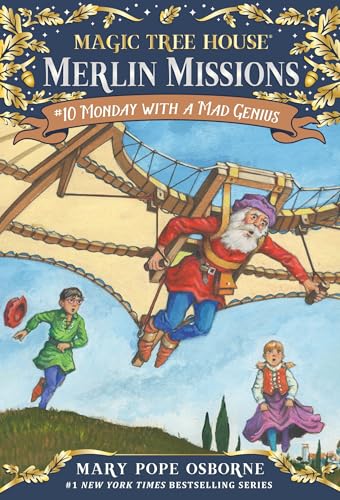


Publication Order of Magic Tree House Super Edition Books

Publication Order of Spider Kane Books


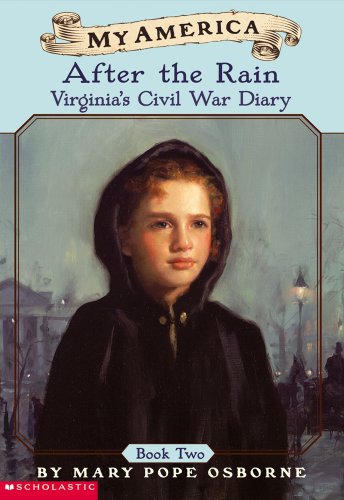
Publication Order of My America: Virginia’s Civil War Diary Books


Publication Order of Tales From The Odyssey Books


Publication Order of Standalone Books





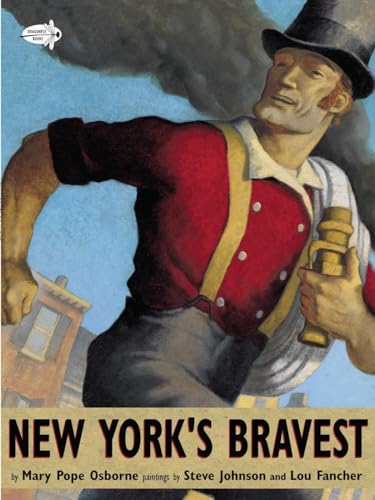
Publication Order of Short Story Collections Books

Publication Order of Picture Books
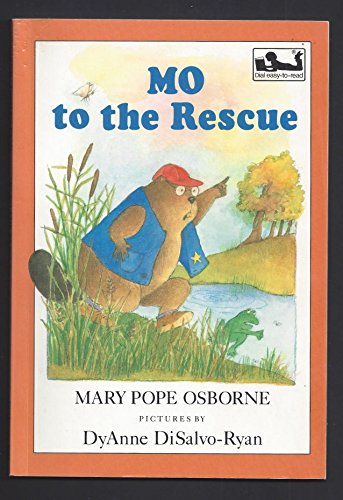

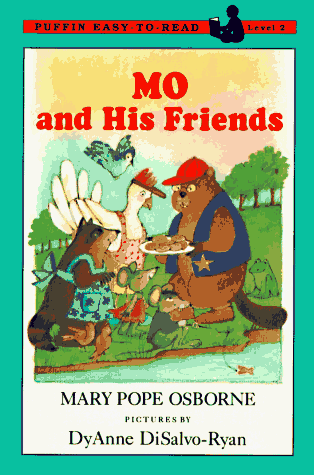



Publication Order of Magic Tree House Fact Tracker Books


Publication Order of Magic Tree House Non-Fiction Books


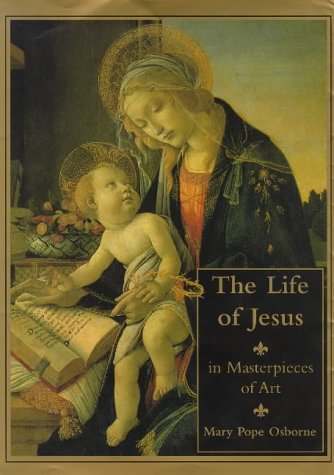
Publication Order of Non-Fiction Books

- George Washington (1991)
Published in 1991, George Washington is listed as book #2 in the Non-Fiction series. 


Publication Order of Dear America Books


Publication Order of Graphic Novels Books
with Jenny Laird


About Mary Pope Osborne
Mary Pope Osborne is an American children’s author best known for creating the Magic Tree House series, one of the most widely read early chapter-book series in modern children’s literature. Her work is closely associated with adventure, history, mythology, science, and the idea that reading can turn curiosity into exploration. Osborne’s books are written in clear, inviting prose for young readers who are beginning to move from picture books into longer stories, but their appeal comes from more than simplicity. She has built a fictional framework that makes knowledge feel active, imaginative, and emotionally safe.
Osborne was born in Fort Sill, Oklahoma, and grew up in a military family, which meant she moved often during childhood. That experience of changing places, encountering new environments, and adapting to unfamiliar worlds later became relevant to the spirit of her fiction. Before becoming a children’s author, she studied drama, traveled widely, and worked in different creative and editorial roles. Her early writing included novels, retellings, picture books, and works drawing on folklore and myth, but Magic Tree House became the defining achievement of her career.
The series began with Dinosaurs Before Dark, introducing siblings Jack and Annie and the mysterious tree house that sends them across time and place. The premise is elegantly simple: two ordinary children open books, make a wish, and are carried into historical, scientific, or legendary settings. Jack is careful, note-taking, and fact-oriented; Annie is impulsive, brave, and instinctive. Their contrast gives the books a steady rhythm, allowing young readers to experience both caution and wonder inside each adventure.
Magic Tree House grew into a large connected library, including the original adventures, the Merlin Missions, and nonfiction companion books published as Fact Trackers. Those companion titles, many written with Natalie Pope Boyce and illustrated in connection with the larger series identity, helped strengthen the educational side of Osborne’s work. The fiction invites curiosity; the nonfiction gives readers more background on subjects such as ancient civilizations, animals, weather, space, famous historical figures, and world cultures.
Osborne’s great strength is making information feel like discovery rather than instruction. Her books introduce children to places such as ancient Egypt, medieval castles, the Titanic, Pompeii, the Arctic, the moon, and the American Revolution without overwhelming them with detail. The historical and scientific material is usually framed through immediate questions: Where are Jack and Annie? What danger are they facing? What do they need to learn to get home? This structure keeps the books moving while still encouraging research, memory, and attention.
Her bibliography also includes mythology, retellings, picture books, and standalone children’s works outside Magic Tree House. These titles show her broader interest in story traditions, oral history, and the way old tales can be made accessible to younger audiences. Still, her lasting literary identity rests on Magic Tree House because it created a bridge between entertainment and classroom-friendly reading at a scale few children’s series achieve.
Mary Pope Osborne’s career is best understood through her gift for opening doors. She writes for children at the stage when confidence matters, when a book that feels too difficult can discourage reading and a book that feels alive can create a lifelong habit. Through Jack, Annie, and the tree house, she gave generations of young readers a way to travel through history, ask questions, and discover that books themselves can be portals.