
Below is the complete list of Lisa Wingate’s Carolina Chronicles books in order. For this series, the chronological reading order is the same as the order of publication.
Publication Order of Carolina Chronicles Books



About Carolina Chronicles
Lisa Wingate’s Carolina Chronicles books are some of her most atmospheric fiction, weaving together coastal North Carolina, buried family history, women’s lives across generations, and the sense that the past is never really gone. On her official site, Wingate groups these books as the Carolina Chronicles and also refers to them as the Carolina Heirlooms novels and novellas, which is useful because it explains the structure: this is not just a row of full-length novels, but a connected mix of novels and shorter companion pieces that all contribute to the same emotional world.
The main flow of the series begins with The Prayer Box, continues with The Story Keeper, and then moves to The Sea Keeper’s Daughters. Around those novels are the related novellas The Sea Glass Sisters, The Tidewater Sisters, and The Sandcastle Sister, later gathered in the collection Sisters. That matters because publication order and reading order are close, but the series is best understood as one connected Carolina world rather than as three strictly isolated novels. The shorter works enrich the larger story, especially for readers who want the fullest sense of how family stories echo across time.
What makes the series stand out is place. Wingate is especially strong when she writes land, memory, and inheritance together, and these books let her do that beautifully. From Roanoke Island to the Blue Ridge Mountains, the Carolina setting is not decorative. It shapes identity, family history, loss, and belonging. Houses, shorelines, old papers, oral histories, and inherited objects all matter here. The books are interested in what gets left behind and who eventually has to make sense of it.
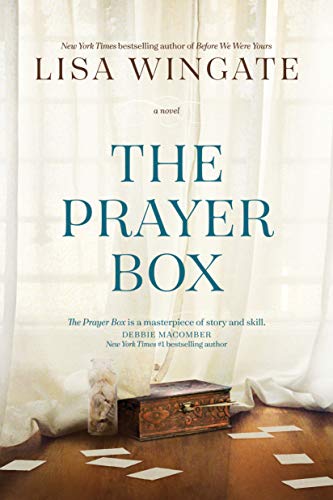
The first major novel, The Prayer Box, sets the tone well. It is intimate, reflective, and rooted in the discovery of a life through what someone leaves behind. That becomes one of the defining patterns of the series. Wingate is not writing loud, twisty suspense. She is writing stories of uncovering—family truths, forgotten women, hidden resilience, and the kinds of emotional legacies that stay folded inside homes and keepsakes for years. The result is fiction that feels both gentle and quietly powerful.
The Story Keeper broadens the series in a way that shows why publication order matters. It connects contemporary life with Appalachian memory and the work of preserving old stories, which deepens the series’ interest in women whose lives might otherwise vanish from the record. That concern with story itself—who tells it, who keeps it, who loses it—becomes one of the strongest threads across the whole Carolina cycle.
By the time the series reaches The Sea Keeper’s Daughters, the pattern is fully established: present-day lives are shaped by older mysteries, and healing often comes through understanding not just one woman’s past, but a chain of women linked across decades. This is one reason the books feel richer when read in order. The later entries carry more force when the reader has already absorbed the series’ rhythms of memory, family fracture, and inherited strength.
The novellas matter more than they might seem at first glance. The Sea Glass Sisters, The Tidewater Sisters, and The Sandcastle Sister are not just extras. They extend the emotional texture of the Carolina world, especially around sisterhood, fracture, and reconciliation. They add nuance rather than bulk, which suits Wingate’s style. She is not trying to overwhelm the reader with a giant saga. She is building resonance.
What distinguishes Carolina Chronicles from more generic family fiction is tone. Wingate writes with warmth, but she does not flatten pain into easy uplift. These books care about grace, but they also care about loss, absence, and the difficult work of understanding what earlier generations endured. Read in order, the Carolina Chronicles become more than a set of related novels. They form a layered portrait of women, memory, and the Carolina landscapes that keep their stories alive.