
Below is the complete list of Lincoln Peirce’s Big Nate books in order. For this series, the chronological reading order is the same as the order of publication.
Publication Order of Big Nate Books


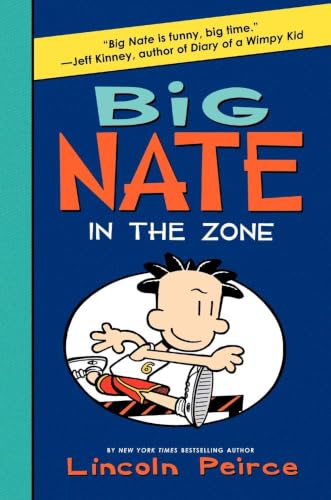


Publication Order of Big Nate Graphic Novels Books


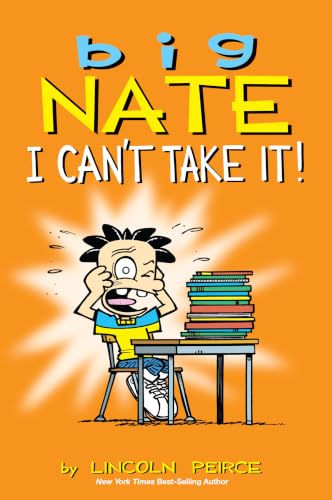


Publication Order of Big Nate Activity Books


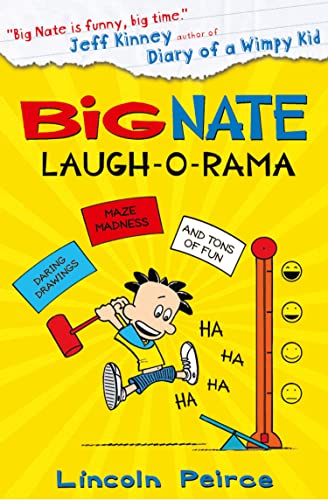


Publication Order of Big Nate Miscellaneous Books


Publication Order of Big Nate TV Books
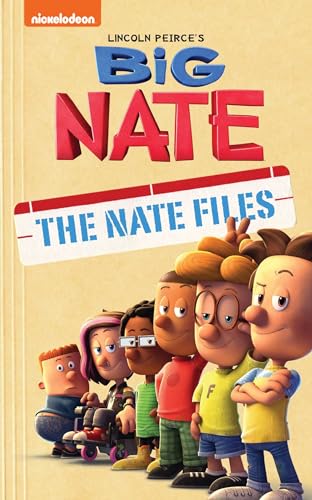
About Big Nate
Lincoln Peirce’s Big Nate series is one of the most recognizable school-comedy franchises in modern children’s publishing, built around Nate Wright, a sixth grader whose confidence is almost always larger than his judgment. Nate is a cartoonist, prankster, athlete, detention regular, and self-declared genius at P.S. 38, where every quiz, lunch period, dodgeball game, art project, and teacher confrontation becomes material for comedy. The series works because Peirce understands the emotional scale of middle school: small embarrassments feel historic, minor victories feel legendary, and a bad day can still be funny if Nate gets to narrate it.
Big Nate began as a syndicated comic strip in 1991 before expanding into illustrated novels, comic collections, activity books, and screen adaptation. That history matters when approaching the books in order. The series is not one simple novel sequence with a single continuous plot. It has several formats. The illustrated novels beginning with Big Nate: In a Class by Himself provide the most story-driven reading path, while the comic-strip collections gather newspaper strips and can usually be read more flexibly. Readers who want character development and longer plots should start with the novels; readers who mainly want jokes, school chaos, and quick episodes can move through the collections more casually.
Nate Wright is the center of everything, and his voice drives the series. He is creative, competitive, impulsive, and endlessly convinced that greatness is just around the corner. His failures are usually self-inflicted: he misreads situations, pushes jokes too far, underestimates homework, overestimates his charm, and treats every rivalry as proof that destiny has chosen him. Yet he remains likable because his ego is mixed with energy, imagination, and resilience. Nate may lose the contest, earn the detention, annoy the teacher, or embarrass himself in front of Jenny, but he almost never stays defeated for long.
The supporting cast gives the books their rhythm. Francis is Nate’s brainy, rule-conscious friend; Teddy is quick with jokes and less worried about consequences. Mrs. Godfrey, Nate’s social studies teacher and favorite target of complaint, becomes one of the series’ most durable comic foils. Gina’s academic seriousness, Artur’s effortless goodness, Jenny’s role as Nate’s crush, and Ellen’s position as Nate’s older sister all add pressure to his already unstable self-image. Peirce uses these relationships to keep the humor grounded in recurring personalities rather than random gags.
The illustrated novels broaden the comic-strip world into longer school stories. Books such as Big Nate Strikes Again, Big Nate on a Roll, Big Nate Goes for Broke, Big Nate Flips Out, Big Nate in the Zone, Big Nate Lives It Up, and Big Nate Blasts Off build plots around rival schools, competitions, friendships, popularity, jealousy, and Nate’s attempts to prove himself. They retain the speed and visual punch of the strip, but the longer format allows Peirce to give Nate more room to struggle, scheme, and occasionally learn something before returning to his usual overconfidence.
The comic collections preserve a different pleasure. They are closer to the daily-strip experience: short bursts of classroom jokes, family scenes, sports disasters, school projects, and Nate’s private commentary on the unfairness of life. Because these collections are episodic, publication order is useful but not as essential as it is for the novels.
The lasting appeal of Big Nate lies in its balance of arrogance and vulnerability. Nate wants to be admired, feared, loved, and proven right, but the world keeps answering with pop quizzes, detentions, and humiliating punchlines. Peirce turns that gap into a comic engine, making Big Nate a series about school life as children actually feel it: dramatic, unfair, ridiculous, and worth showing up for again tomorrow.