
Below is the complete list of Angela J. Ford books in order. For each series, the chronological reading order is the same as the order of publication.
Publication Order of Betrayed Brides Books

Publication Order of The Four Worlds Books


Publication Order of Gods & Goddess of Labraid Books


Publication Order of Legend of the Nameless One Books

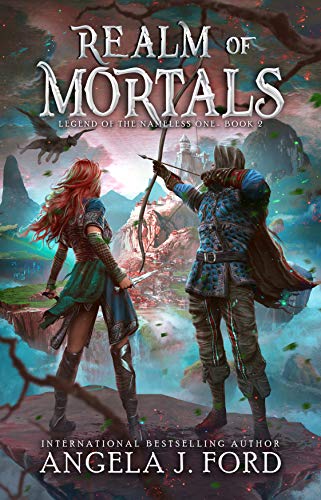
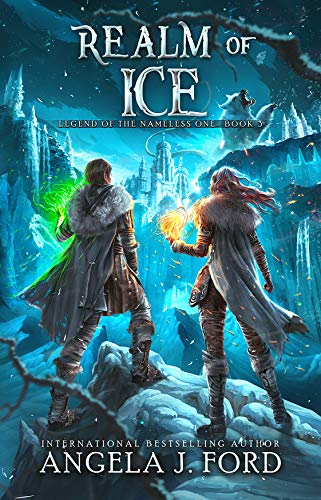


Publication Order of Lore of Nomadia Books


Publication Order of Night of the Dark Fae Books


Publication Order of Tales of the Enchanted Wildwood Books


Publication Order of Tower Knights Books


Publication Order of Short Stories/Novellas Books

Publication Order of Picture Books

Publication Order of Stolen Brides Of The Fae Books
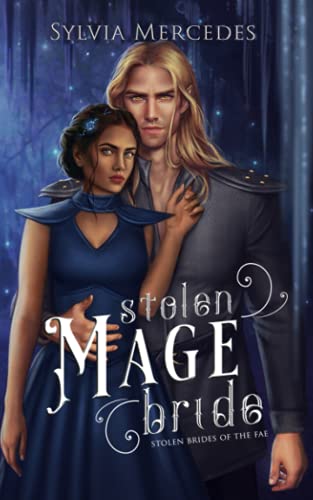
- Stolen Goblin Bride (2021)
(By Emma Hamm)
Published in 2021, Stolen Goblin Bride is listed as book #2 in the Stolen Brides Of The Fae series. 
- Stolen Shadow Bride (2021)
(By S.M. Gaither)
In the Stolen Brides Of The Fae series, Stolen Shadow Bride is book #4 and was published in 2021. 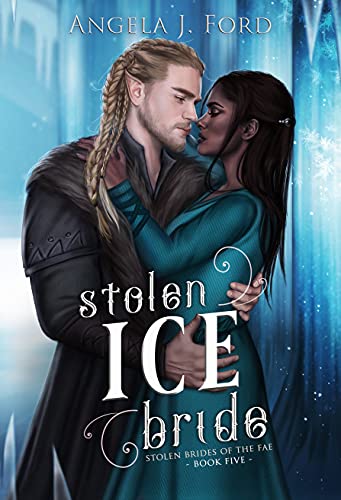
- Stolen Thorn Bride (2021)
(By Kenley Davidson)
Stolen Thorn Bride was published in 2021 and is listed as book #6 in the Stolen Brides Of The Fae series. 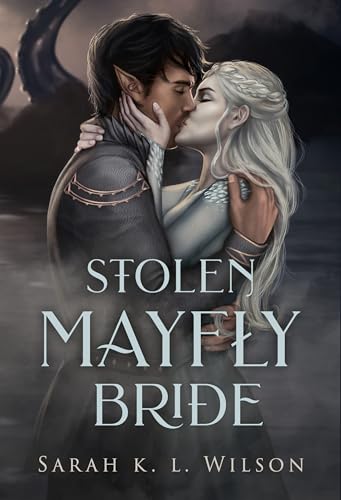

Publication Order of Arranged Marriages of the Fae Books



Publication Order of Starry Kingdoms of the Fae Books


Publication Order of Tempting Thieves Books


- To Sway A Vagabond (2025)
(By Stephanie BwaBwa)
To Sway A Vagabond was published in 2025 and is listed as book #11 in the Tempting Thieves series.
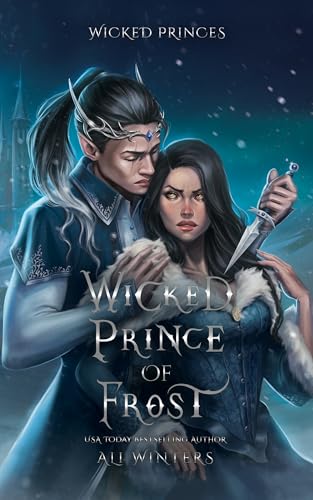
Publication Order of Wicked Princes Books



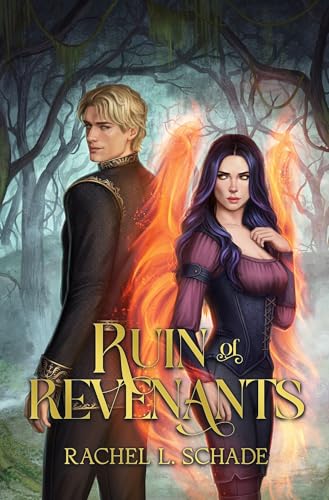
Publication Order of Forbidden Bonds Collection Books



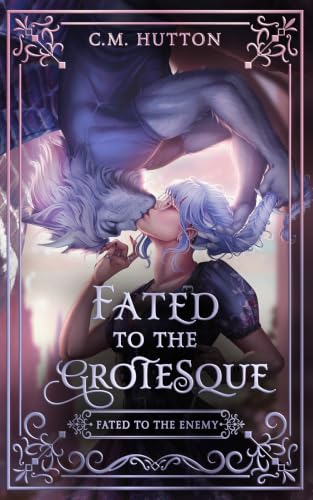
Publication Order of Fated to the Enemy Books


About Angela J. Ford
Angela J. Ford is an American fantasy author whose career has evolved from traditional epic fantasy into fantasy romance with a strong gothic and romantic identity. Her work spans large-scale quests, enchanted kingdoms, cursed immortals, dark magic, arranged marriages, forbidden attraction, and romance between mortal heroines and supernatural beings. In her more recent fiction, Ford has placed Black heroines prominently at the center of stories that combine sweeping fantasy settings with emotionally complete romantic arcs.
Ford began her publishing career as an independent author. Her debut novel, The Five Warriors, was self-published in 2015 and became the opening book of the Chronicles of the Four Worlds, an epic-fantasy sequence built around a conflict between mortals and immortals spreading across several interconnected realms. The larger sequence includes separate groups of characters and quests whose consequences converge within the same mythology, giving Ford’s earliest work a broad, classical fantasy structure rather than the romance-centered format that would increasingly define her later books.
She continued developing that side of her bibliography through works such as the Legend of the Nameless One series, which draws on an old-world epic-fantasy tradition of quests, magic, danger, and expansive world-building. Those early series established several qualities that have remained visible even as Ford changed emphasis: fast-moving adventure, elaborate magical settings, supernatural conflicts, and protagonists confronted with forces larger than themselves.
Fantasy romance eventually became the dominant identity of Ford’s work. Her contemporary author profile emphasizes mortal-and-immortal relationships, forbidden love, Black heroines, atmospheric settings, and stories influenced by the visual and emotional language of gothic cinema. Music is another recurring element in her newer fiction, sometimes functioning as part of the magic itself rather than simply as background. That combination is particularly visible in her Tower Knights books, where cursed knights, dark magic, gothic settings, and romance are brought together in stories designed to reach a complete romantic resolution within each volume.
Music of the Night became one of the representative titles of this later phase. Ford’s current catalog also includes works such as Mage Bride, Greed of Giants, and Wicked Prince of Mirrors, illustrating how broadly she works within romantasy while retaining a preference for self-contained emotional stories. Arranged marriages, dangerous magical bargains, ancient beings, villains, scholars, musicians, and cursed figures recur across the books, but individual novels often use distinct worlds and romantic pairings rather than requiring readers to follow one enormous continuous saga.
This shift from epic fantasy to romance-focused fantasy does not amount to a complete break with Ford’s earlier work. Both phases rely heavily on magic, mythology, adventure, and immersive settings. What changes is the center of gravity. The Four Worlds material uses the fate of civilizations and interconnected quests as its main framework, while much of her later fiction concentrates more closely on the relationship between two characters and the supernatural obstacle separating them.
Ford has also built her career around independent publishing and direct engagement with readers, extending her work beyond writing into areas such as author-focused web design and curated fantasy-romance book experiences. By 2026, she had published a substantial body of fantasy fiction encompassing epic series, interconnected collections, novellas, and stand-alone romantasy.
Her bibliography is therefore most useful to view in phases rather than as one uniform body of work. Readers encountering Ford through her earlier novels will find expansive epic fantasy and continuing quests; those entering through her newer books will encounter gothic atmosphere, Black heroines, forbidden supernatural romance, and increasingly self-contained stories. The common thread is her attraction to heightened fantasy worlds where magic carries consequences and personal choices can become inseparable from much larger supernatural conflicts.