
Below is the complete list of Nelson DeMille books in order. For this series, the chronological reading order is the same as the order of publication.
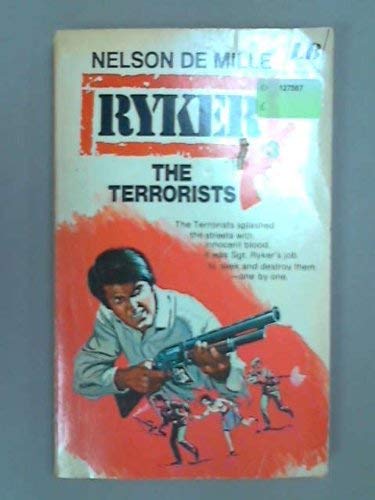
Publication Order of Joe Ryker Books









Publication Order of John Corey Books


Publication Order of John Sutter Books


Publication Order of Paul Brenner Books


Publication Order of Scott Brodie & Maggie Taylor Books
with Alex DeMille


Publication Order of Standalone Novels Books





Publication Order of Short Stories/Novellas Books


About Nelson DeMille
Nelson DeMille was one of the most recognizable names in American commercial suspense, a novelist whose work combined military experience, New York attitude, geopolitical intrigue, and a gift for large-scale storytelling. He wrote the kind of books that feel expansive without becoming loose: high-stakes thrillers with sharp dialogue, strong scene-setting, and protagonists who tend to observe the world with a mix of skepticism, intelligence, and dark humor. Over the course of his career, he became especially associated with big, muscular suspense novels that were both highly readable and unmistakably his own.
Born in New York City in 1943, DeMille served in the U.S. Army during the Vietnam War, an experience that mattered to his fiction not only in subject matter but in tone. His novels often carry the perspective of someone alert to bureaucracy, institutional power, chain of command, and the psychological cost of conflict. He later studied at Hofstra University, and before becoming widely known under his own name he also published paperback fiction under several pseudonyms. That early phase is useful context because it shows he did not emerge fully formed as the author of sprawling bestselling hardcovers. He learned commercial storytelling from the inside and then expanded it into something much more ambitious.
His bibliography is best understood in a few major strands. One is the run of powerful standalones and semi-standalones that established his reputation, including By the Rivers of Babylon, The Cathedral, Word of Honor, The Charm School, and The Gold Coast. These books show the range that made him more than a formula thriller writer. He could write Cold War paranoia, military drama, political violence, social satire, and upper-class American decay with equal confidence. The Gold Coast in particular stands out as proof that he was not limited to pure action suspense. It is looser, more social, and more openly interested in money, class, and American self-invention.
Another major strand is the John Corey series, which became the most durable recurring line in his career. Corey, first introduced in Plum Island, is one of DeMille’s signature creations: smart, abrasive, funny, impatient, and impossible to mistake for anyone else. Through Corey, DeMille found a voice capable of carrying both anti-terror plots and long-form character appeal. The later Corey novels helped define his public identity for many readers, but they sit on top of a larger career rather than replacing it.
His bibliography also includes the John Sutter novels, the Paul Brenner books, and later collaborations with his son Alex DeMille, including The Deserter, Blood Lines, and The Tin Men. That last phase matters because it shows DeMille still extending his fiction into new forms late in life rather than simply maintaining an old success. Even when the settings or protagonists changed, his work retained a recognizable signature: long but controlled narratives, strong male leads, political or military pressure, and dialogue with enough bite to keep the pages moving.
DeMille’s style was never minimalist. He liked room to work. His novels often give space to travel, history, institutions, and the slow tightening of tension. But the length was part of the pleasure. He wrote big books because he understood how to fill them: with momentum, character friction, and an alertness to power that kept even conversational scenes alive. He was especially good at mixing seriousness with wit, which is one reason his protagonists remain memorable.
He died in 2024, leaving behind a body of work that had already secured its place in modern American suspense. The best way to understand Nelson DeMille’s bibliography is to see it not as a shelf of interchangeable thrillers, but as the career of a writer who brought scale, personality, and a distinctly American edge to the genre. Whether writing about war, terrorism, wealth, corruption, or revenge, he consistently delivered novels that felt substantial, confident, and built to last.