
Below is the complete list of Laura Ingalls Wilder books in order. For each series, the chronological reading order is the same as the order of publication.
Publication Order of Little House On The Prairie Books


Publication Order of Little House Chapter Books: Laura Books






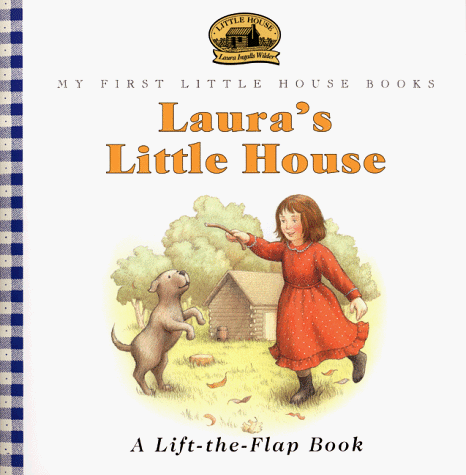
Publication Order of My First Little House Picture Books












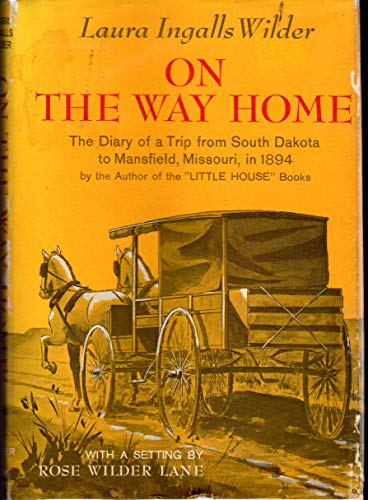
Publication Order of Non-Fiction Books


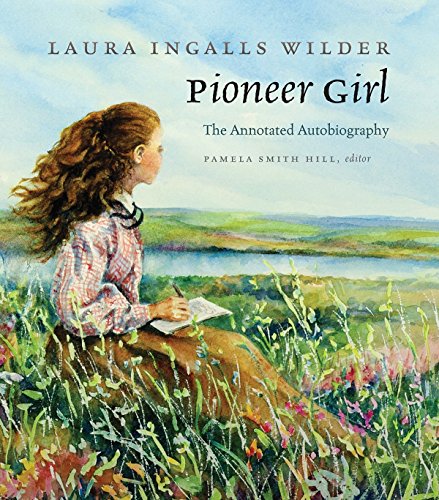


Publication Order of Writings to Young Women from Laura Ingalls Wilder Books
with Stephen W. Hines


About Laura Ingalls Wilder
Laura Ingalls Wilder was an American author whose Little House books transformed memories of nineteenth-century frontier childhood into one of the most enduring bodies of children’s literature in the United States. Born in 1867 near Pepin, Wisconsin, she lived through many of the migrations, hardships, and homesteading experiences that later became the foundation of her fiction. Her work is closely associated with pioneer life, family resilience, rural labor, and the changing American West, but its lasting appeal also comes from the intimacy of its perspective: a child watching weather, hunger, travel, danger, work, music, and domestic ritual shape the rhythm of daily life.
Wilder was the second daughter of Charles and Caroline Ingalls. Her childhood was marked by repeated moves across Wisconsin, Kansas, Minnesota, Iowa, and Dakota Territory as the family sought opportunity in farming, railroad work, and homesteading. Those experiences eventually became the raw material for the Little House sequence, though the books are not simple transcripts of life. Wilder shaped memory into fiction, compressing events, adjusting chronology, and giving her family’s history the structure and emotional clarity of narrative. The result is autobiographical fiction rather than strict memoir.
Her early adult life was equally important to the world her books would later preserve. In 1885, she married Almanzo Wilder, whose own boyhood appears in Farmer Boy. Their first years together were difficult, marked by illness, crop failure, debt, and the death of their infant son. After years of struggle and movement, Laura, Almanzo, and their daughter Rose eventually settled at Rocky Ridge Farm in Mansfield, Missouri. Wilder’s long experience with farm work, household management, rural economy, and self-sufficiency gave her writing its practical texture. Food, weather, livestock, sewing, harvesting, and building are not background details in her books; they are the conditions under which character is formed.
Before becoming a novelist, Wilder wrote for farm and regional publications, including work as a columnist for the Missouri Ruralist. That apprenticeship mattered. Her prose developed through observation, practical explanation, and an ability to make ordinary work vivid. She began publishing the Little House books late in life, with Little House in the Big Woods appearing in 1932. The series continued through books such as Little House on the Prairie, On the Banks of Plum Creek, By the Shores of Silver Lake, The Long Winter, and These Happy Golden Years, tracing Laura from early childhood toward teaching, courtship, and marriage.
Rose Wilder Lane, Laura’s daughter, played a significant role in the development of the books. Rose was already an experienced journalist and author, and scholars have long discussed the extent of her editorial contribution. The most balanced way to understand the collaboration is that the Little House books grew from Laura’s memories, voice, and lived experience, while Rose’s literary skill helped shape them for publication. The achievement belongs to the remarkable tension between memory and craft.
Wilder’s legacy is also more complex today than it once appeared. Her books preserve a powerful record of settler life, but they also reflect racial attitudes and assumptions of their time, especially in their treatment of Native peoples and westward expansion. Reading her work seriously means recognizing both its literary importance and its historical limitations.
Laura Ingalls Wilder died in 1957, but her bibliography continues to occupy a central place in American children’s literature. Her finest books endure because they make survival feel specific: a lamp lit during a storm, a fiddle played at night, bread made from scarcity, a family holding itself together while the world remains uncertain.