
Below is the complete list of Reed Farrel Coleman books in order. For each series, the chronological reading order is the same as the order of publication.
Publication Order of Dylan Klein Books


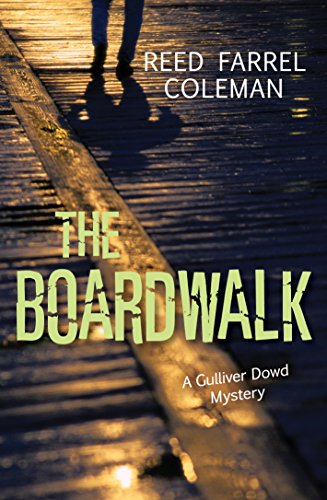
Publication Order of Gulliver Dowd Books
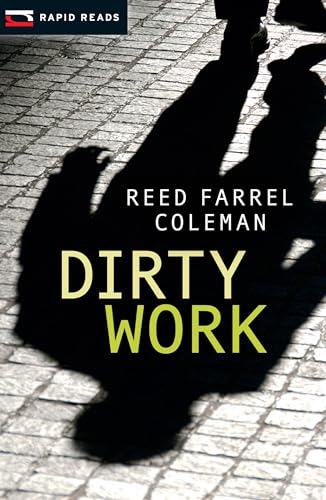
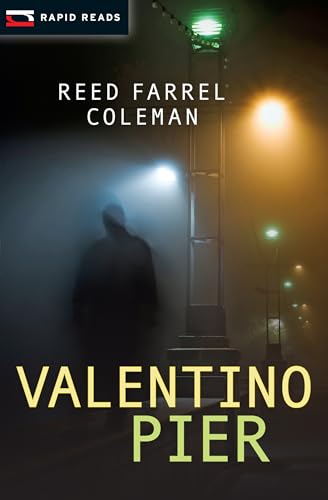

Publication Order of Gus Murphy Books


Publication Order of Jack Kenny Books

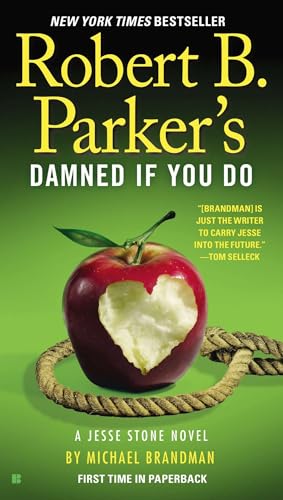
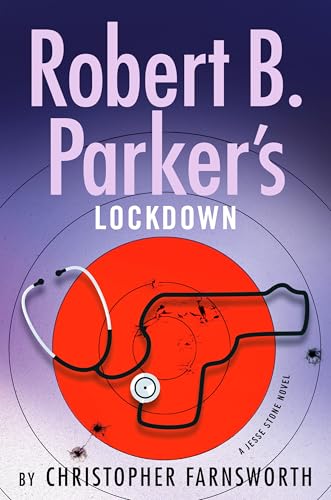
Publication Order of Jesse Stone Books




Publication Order of Joe Serpe Books
as Tony Spinosa


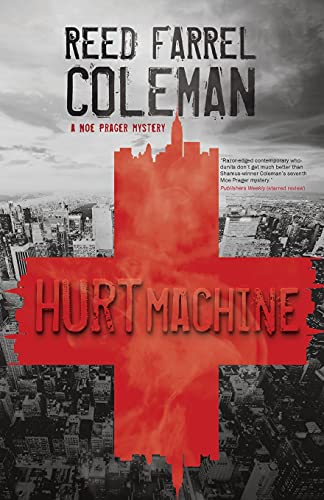
Publication Order of Moe Prager Books




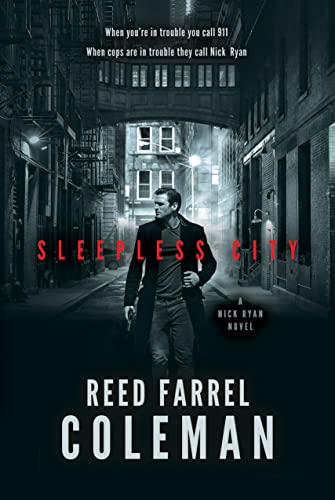
Publication Order of Nick Ryan Books

Publication Order of Standalone Books


Publication Order of Short Stories/Novellas Books


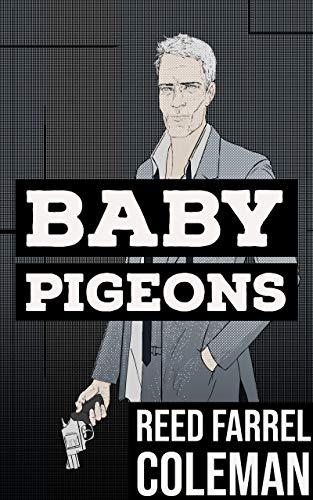






Publication Order of Short Story Collections Books

Publication Order of Bibliomysteries Books

Publication Order of Akashic Noir Books


About Reed Farrel Coleman
Reed Farrel Coleman is an American crime novelist whose work combines the toughness of classic hard-boiled fiction with an unusually reflective interest in memory, grief, aging, faith, and moral compromise. Born and raised in Brooklyn, New York, he has created several distinctive investigators, including Moe Prager, Gus Murphy, Dylan Klein, and Nick Ryan, while also becoming one of the writers entrusted with continuing Robert B. Parker’s Jesse Stone novels. His fiction is deeply rooted in New York, particularly Brooklyn and Long Island, where changing neighborhoods and personal histories often matter as much as the crimes being investigated.
Coleman was born in 1956 and grew up near Sheepshead Bay, Brighton Beach, and Coney Island, locations that later became important to his writing. His earliest literary ambitions were in poetry. He wrote poems while young and remained involved with literary magazines while studying at Brooklyn College, where poets including Allen Ginsberg, John Ashbery, and David Lehman were teaching during the period.
Crime fiction eventually became his principal form. His first published novel, Life Goes Sleeping, appeared in 1991 and introduced Dylan Klein, an insurance investigator whose cases combine traditional private-eye storytelling with Brooklyn family history and Jewish identity. Klein returned in Little Easter and They Don’t Play Stickball in Milwaukee, establishing Coleman’s interest in protagonists whose investigations force them to confront their own pasts.
That approach found its fullest early expression in the Moe Prager series. Beginning with Walking the Perfect Square, the nine novels follow a former NYPD officer whose police career ends after a knee injury. Prager becomes a private investigator, working cases that frequently reach backward into New York’s history and his own life. Rather than remaining unchanged from case to case, Moe ages throughout the sequence, experiencing marriage, parenthood, loss, illness, and shifting relationships. The James Deans won the Shamus, Barry, and Anthony awards, while Soul Patch and Empty Ever After further strengthened Coleman’s reputation within American crime fiction.
Coleman later created Gus Murphy, a retired Suffolk County police officer devastated by the sudden death of his son. Where It Hurts and What You Break move away from affluent images of Long Island to its industrial roads, working communities, motels, airports, and neglected corners. Grief is inseparable from Gus’s investigative work, giving the series a particularly somber emotional foundation.
In 2014, Coleman succeeded Michael Brandman as the authorized continuation writer for Robert B. Parker’s Jesse Stone series. Beginning with Robert B. Parker’s Blind Spot, he wrote six novels featuring the troubled police chief of Paradise, Massachusetts, concluding his tenure with The Bitterest Pill. The assignment placed Coleman within Parker’s established world while allowing him to explore subjects such as addiction, prejudice, political pressure, and Jesse’s difficult emotional life.
His other work includes the Joe Serpe mysteries originally published under the pseudonym Tony Spinosa, the Gulliver Dowd stories, the standalone Gun Church, and Tower, written with Irish crime novelist Ken Bruen. More recently, Coleman introduced NYPD detective and clandestine fixer Nick Ryan in Sleepless City, followed by Blind to Midnight.
A four-time Shamus Award winner and four-time Edgar Award nominee, Coleman has also received the Anthony, Barry, Macavity, and Audie awards. Across his varied bibliography, crimes provide the immediate mystery, but consequences give the books their weight. His detectives carry old wounds, failed relationships, religious questions, and memories that cannot be neatly solved, giving his hard-boiled fiction a melancholy depth that has become his most recognizable signature.