
Below is the complete list of Dean Koontz books in order. For each series, the chronological reading order is the same as the order of publication.
Publication Order of Odd Thomas Books



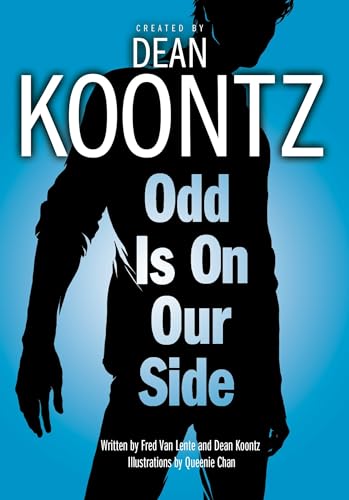
Publication Order of Odd Thomas Graphic Novels Books


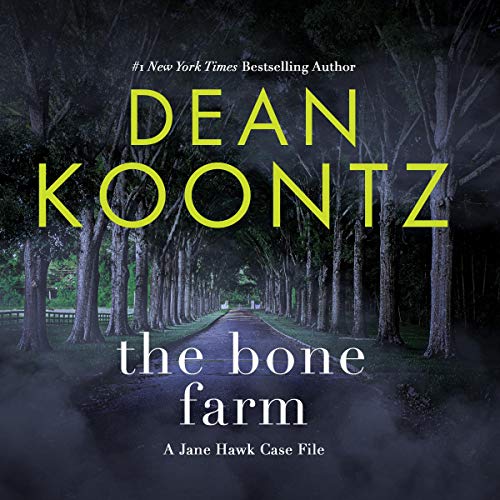
Publication Order of Jane Hawk Books


Publication Order of Jane Hawk Short Stories/Novellas Books
Publication Order of Black Bat Mystery Books
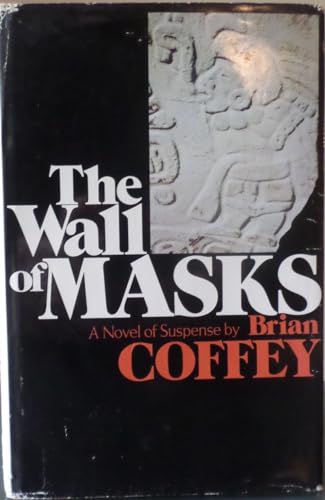
as Brian Coffey


Publication Order of Moonlight Bay Books


Publication Order of Santas Twin Books


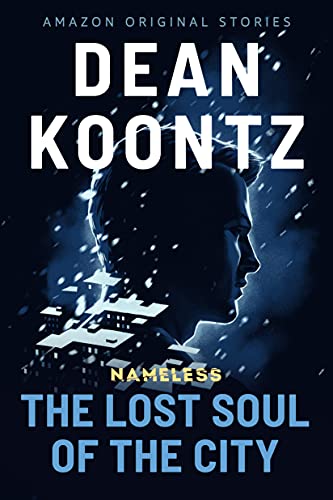
Publication Order of Nameless Books




Publication Order of What the Night Knows Books

Publication Order of Innocence Books


Publication Order of Ashley Bell Books


Publication Order of The City Books


Publication Order of Trixie Koontz Books





Publication Order of 77 Shadow Street Books


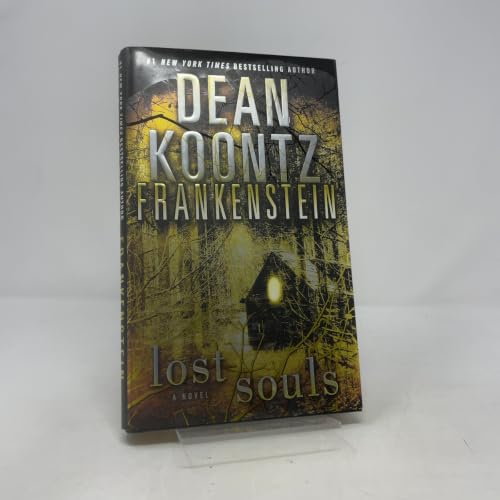
Publication Order of Frankenstein Books



Publication Order of Standalone Books


- Dark of the Woods / Soft Come the Dragons (1970)
Dark of the Woods / Soft Come the Dragons was published in 1970 and is listed as book #6 in the Standalone series. 

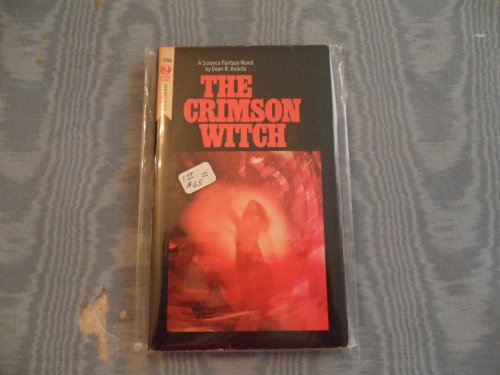


- Starblood (1972)
Starblood is a 1972 release and appears as book #13 in the Standalone series. 


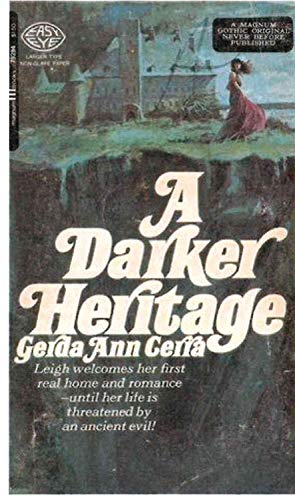


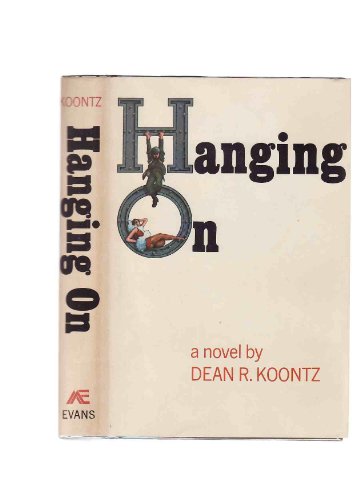


- The Long Sleep (1975)
(As: John Hill)
The Long Sleep was first published in 1975; within the Standalone series, it is listed as book #30. 















Publication Order of Non-Fiction Books


Publication Order of Childrens Books


Publication Order of Short Stories/Novellas Books

Publication Order of Short Story Collections Books

Publication Order of Graphic Novels Books
with Keith Champagne

About Dean Koontz
Dean Koontz is an American novelist best known for suspense thrillers that blend crime, horror, science fiction, fantasy, psychological danger, and a strong belief in human resilience. His books are often grouped with horror because they deal with monsters, killers, conspiracies, genetic experiments, and supernatural forces, but Koontz’s work is rarely nihilistic. Even at its darkest, his fiction tends to move toward courage, loyalty, sacrifice, love, and the possibility that goodness can survive in a terrifying world.
Koontz was born in Everett, Pennsylvania, in 1945 and grew up in difficult circumstances that later shaped the moral intensity of his fiction. He graduated from Shippensburg State College and worked as a high school English teacher before becoming a full-time writer. His early career was unusually prolific and wide-ranging. During the 1960s and 1970s, he wrote across several genres and under a number of pen names, including Brian Coffey, Deanna Dwyer, K.R. Dwyer, Leigh Nichols, and others. Many of those early works were later reissued under his own name, but the pen-name period helps explain the breadth of his bibliography: Koontz did not arrive fully formed as a single-brand thriller writer; he built his voice through science fiction, gothic fiction, suspense, and mainstream storytelling.
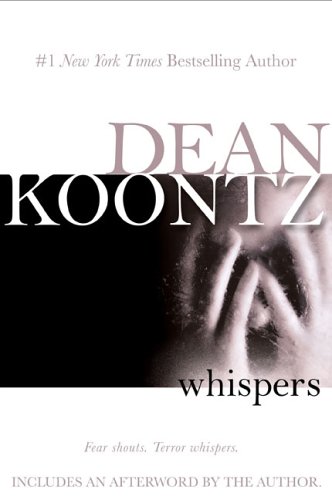
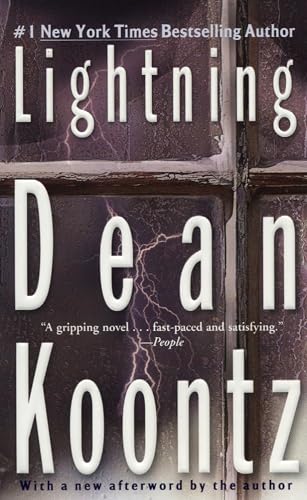
His breakthrough came gradually rather than through one instant debut. Demon Seed brought early attention with its technological horror premise, while later novels such as Whispers, Phantoms, Strangers, Watchers, Lightning, and Midnight helped define the Koontz style for a wider readership. These books show his gift for high-concept suspense: ordinary people are pushed into extraordinary danger, often involving secret experiments, predatory institutions, uncanny intelligence, or evil that appears both intimate and vast.
Among his most beloved works, Watchers remains especially representative. Its mix of genetic science, terror, loyalty, and the bond between human beings and a remarkable dog captures several of Koontz’s recurring interests. Dogs appear frequently in his life and work, not as decorative pets but as symbols of devotion, innocence, humor, and moral clarity. That affection also appears outside his fiction, including his memoir A Big Little Life, written about his golden retriever Trixie.
Koontz’s later career expanded through several major series and connected projects. The Odd Thomas books introduced a young fry cook who sees the dead and confronts evil with humility, wit, and spiritual courage. The Frankenstein novels reimagined the classic myth in modern thriller form, while the Jane Hawk series moved into conspiracy suspense with a former FBI agent fighting a vast and ruthless network. These series show Koontz adapting his themes to different structures: paranormal mystery, science-driven horror, and chase thriller, all still grounded in the conflict between individual conscience and dehumanizing power.
His writing style is fast, vivid, and emotionally direct. He often uses sharp pacing, heightened atmosphere, eccentric villains, and deeply sympathetic protagonists. Humor and tenderness can sit surprisingly close to violence, which is one reason his books appeal beyond standard horror readership. Koontz is interested in fear, but he is just as interested in why people resist fear: friendship, faith, memory, moral instinct, and the stubborn refusal to surrender to cruelty.
Dean Koontz’s bibliography is best understood as a long career of genre-crossing suspense rather than a single type of thriller. His books range from standalones to recurring heroes, from intimate psychological terror to large-scale conspiracies, but the core remains consistent: vulnerable people facing darkness with intelligence, loyalty, and hope.